
Across AI teams and modern workplaces, a voice-first transformation is redefining how professionals interact with AI tools and daily tasks. The core principle is clear: if you can speak, you don’t type. This shift isn’t driven by workplace laziness, but by a growing focus on AI workflow efficiency, natural cognitive alignment, and AI token cost optimization. For too long, keyboard input has been the default interface for AI prompting, meeting documentation, and idea capture — yet typing forces unnatural pauses, fragmented thought flow, and unnecessary mental friction that slows down creative and analytical work.
Beyond hands-free convenience and reduced cognitive load, adopting a speak-first AI workflow addresses a hidden, high-cost pain point for prompt engineers, AI researchers, and daily AI users: unnecessary token waste from rigid, manually typed prompts. When typing AI prompts, users often truncate logic, use shorthand phrasing, or break complex requests into multiple short messages to save typing effort. These fragmented, unnatural text inputs lead to misaligned AI outputs, repeated revision rounds, and inflated redundant token consumption across iterative adjustments. Natural spoken input, by contrast, delivers complete, logically cohesive requests in a single pass, improving AI response accuracy, cutting down on back-and-forth iterations, and delivering measurable AI token savings over time.
The enduring appeal of voice-first AI productivity lies in its alignment with human nature. People naturally gravitate toward low-effort, intuitive expression, and voice interaction removes the mechanical barrier of keyboard input. Across meeting rooms, brainstorming sessions, field work, and mobile work scenarios, quiet voice AI control fully frees up users’ hands and visual attention. Instead of splitting focus between typing and thinking, professionals can direct full energy toward problem-solving, creative ideation, and collaborative discussion — all while capturing every key detail and AI instruction through speech.
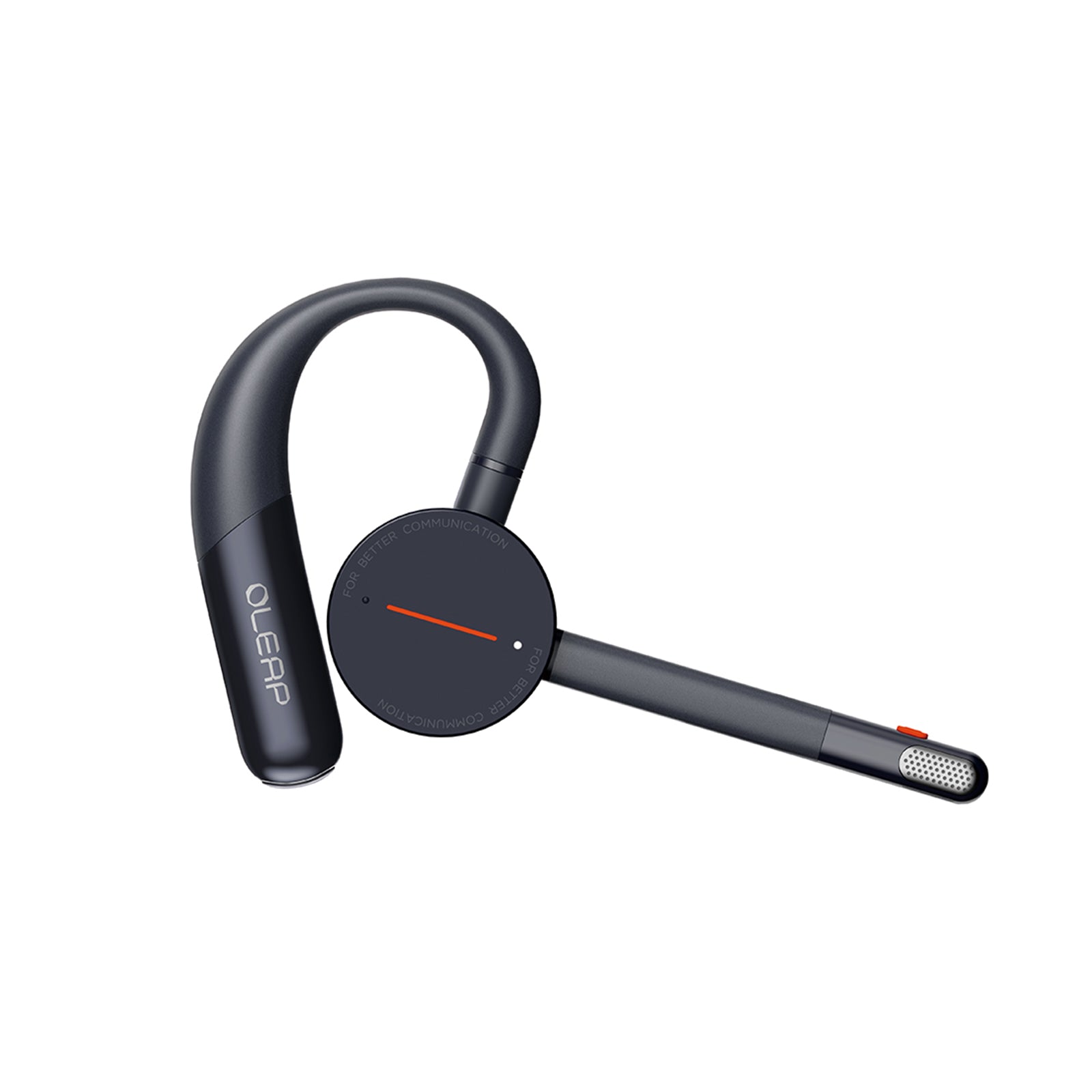
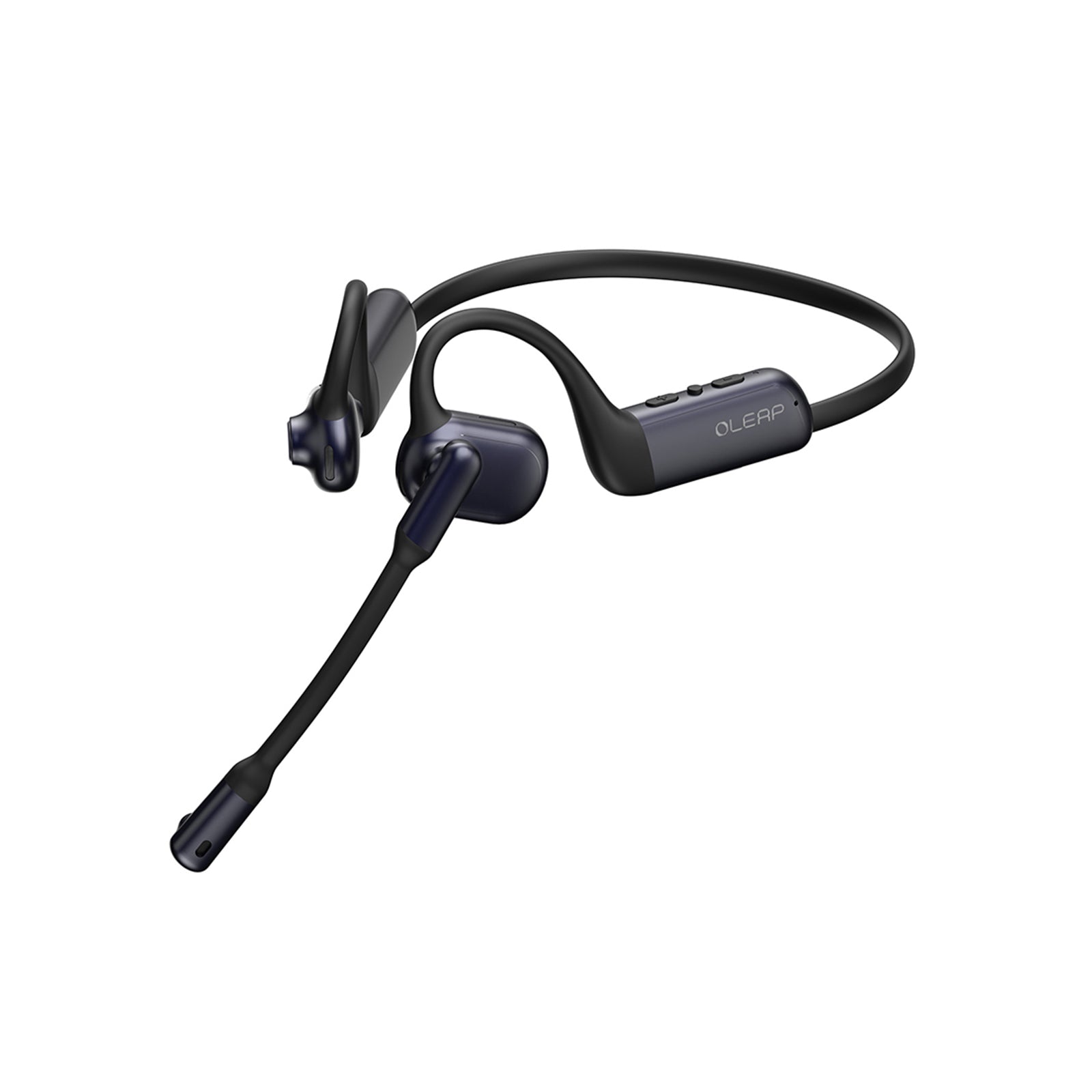
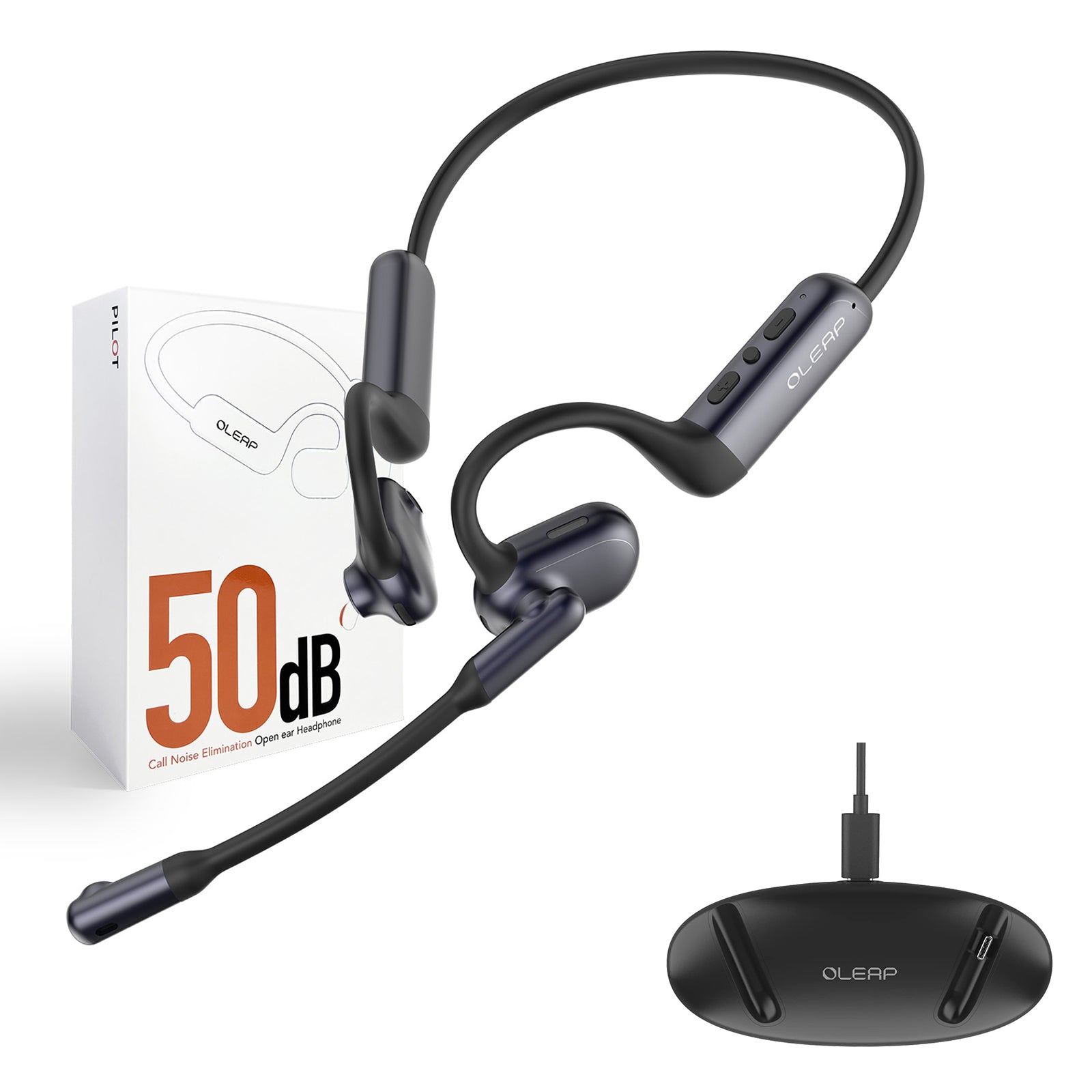
Stable, consistent voice AI performance depends on high-quality front-end audio capture, a gap that Oleap Archer is purpose-built to fill. Engineered for professional AI and business use cases, Oleap Archer delivers precise low-volume voice capture and advanced environmental noise suppression, ensuring accurate AI transcription and prompt recognition even when users speak softly in open offices or busy spaces. It removes the need for forced loud speech or formal typed input, fitting seamlessly into natural, low-friction daily work routines.
The result is a streamlined, end-to-end voice AI workflow: soft spoken input → accurate AI recognition → complete request delivery → fewer iterative revisions → reduced token waste. Moving away from rigid typing to a speak-first operating model is no longer a casual efficiency hack — it is a strategic, cost-effective, and brain-friendly approach to AI-powered work.
As AI becomes an increasingly core driver of workplace output, optimizing how we interact with AI tools will define long-term productivity and cost efficiency. Voice-first workflows, supported by reliable audio hardware, offer the most natural path forward: let voice handle all foundational input work, let AI manage organization and iteration, and let human teams focus on the high-value creative and strategic thinking that drives real impact.