
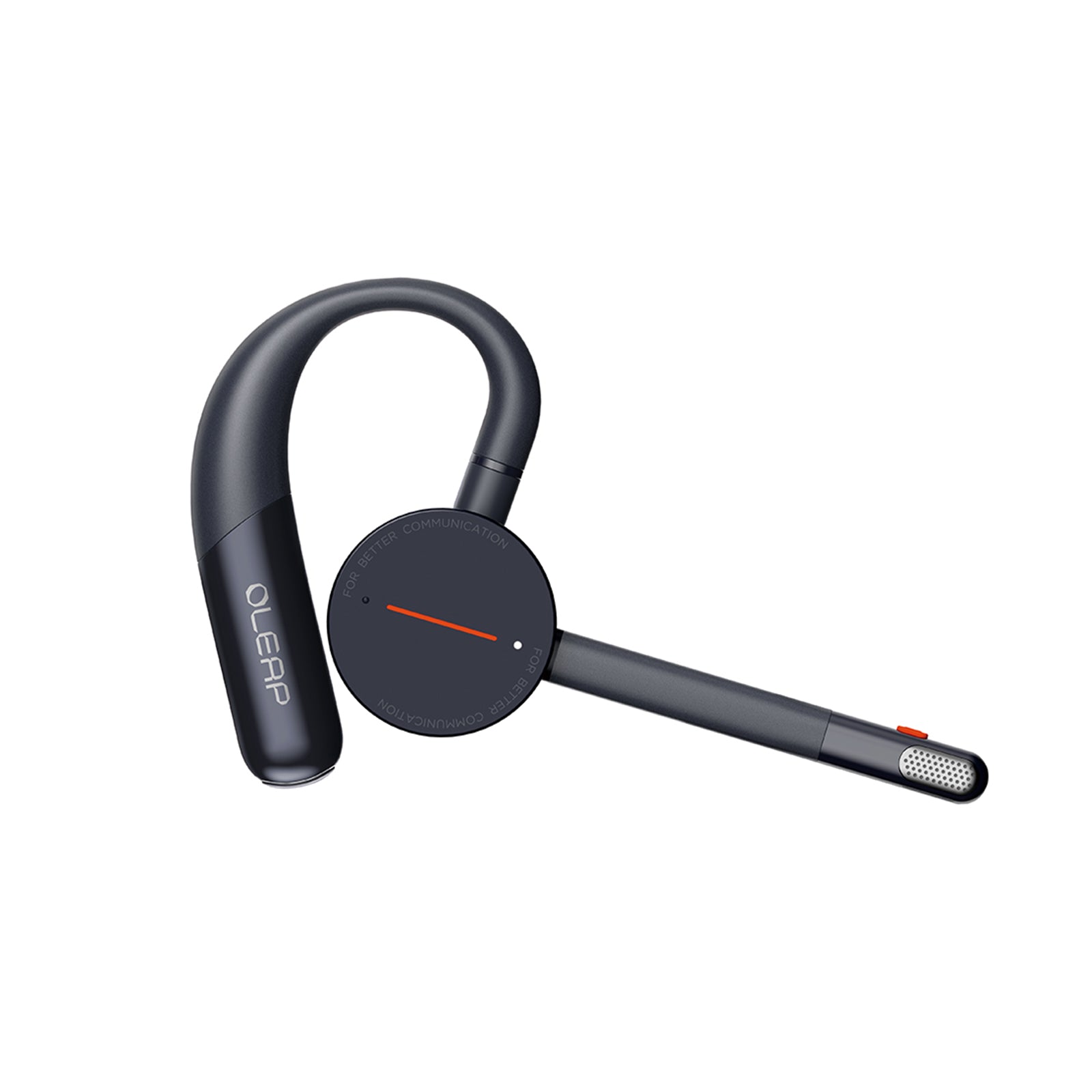
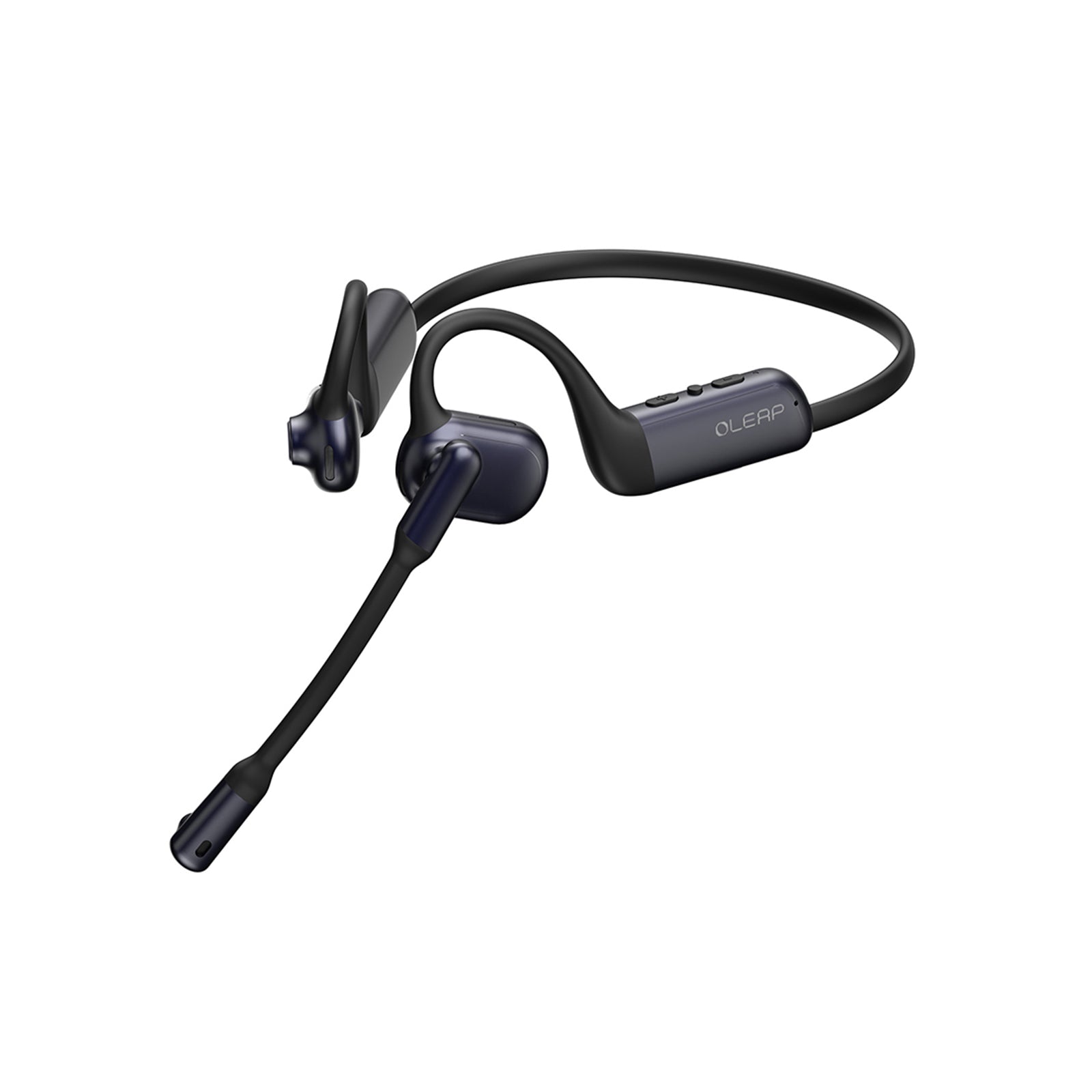
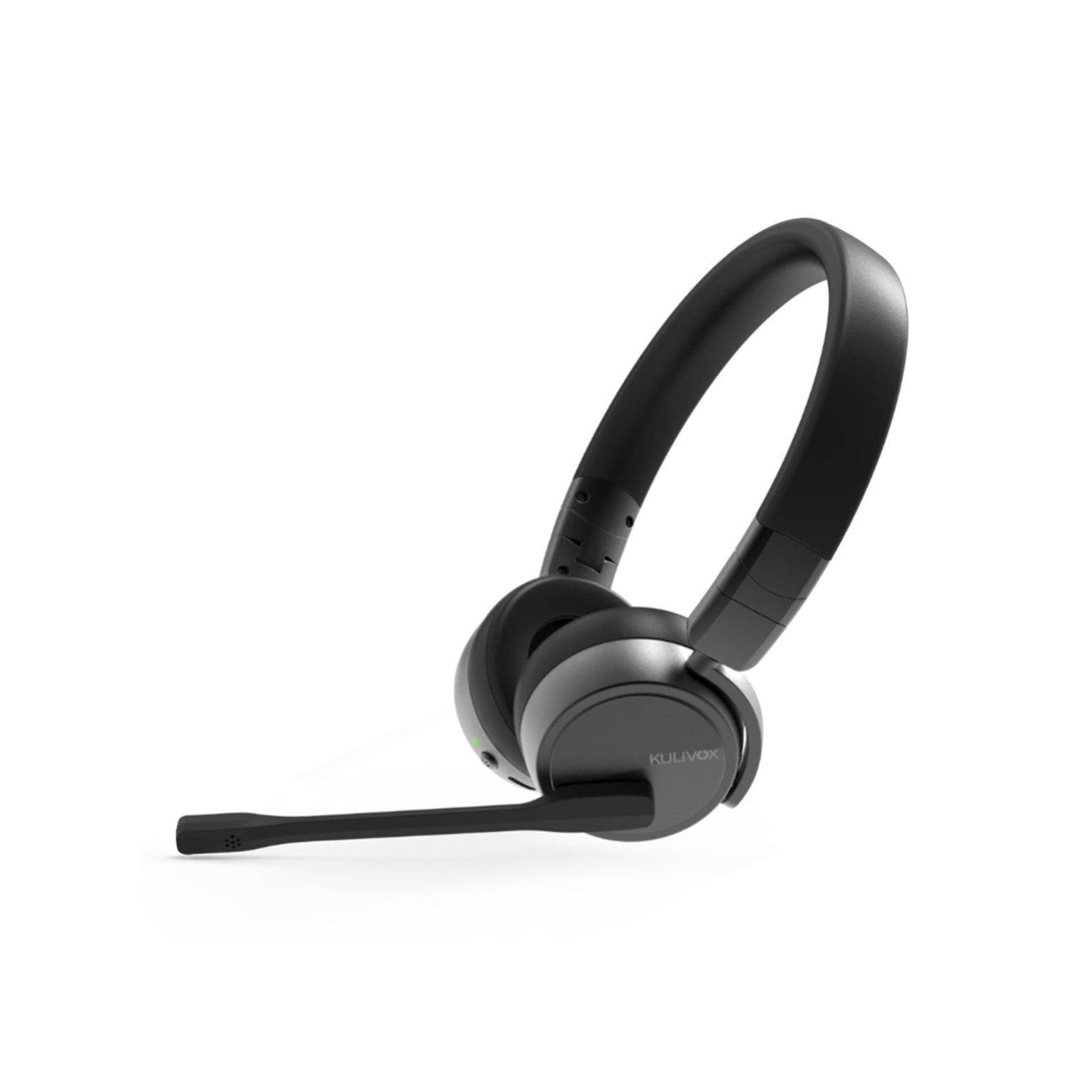
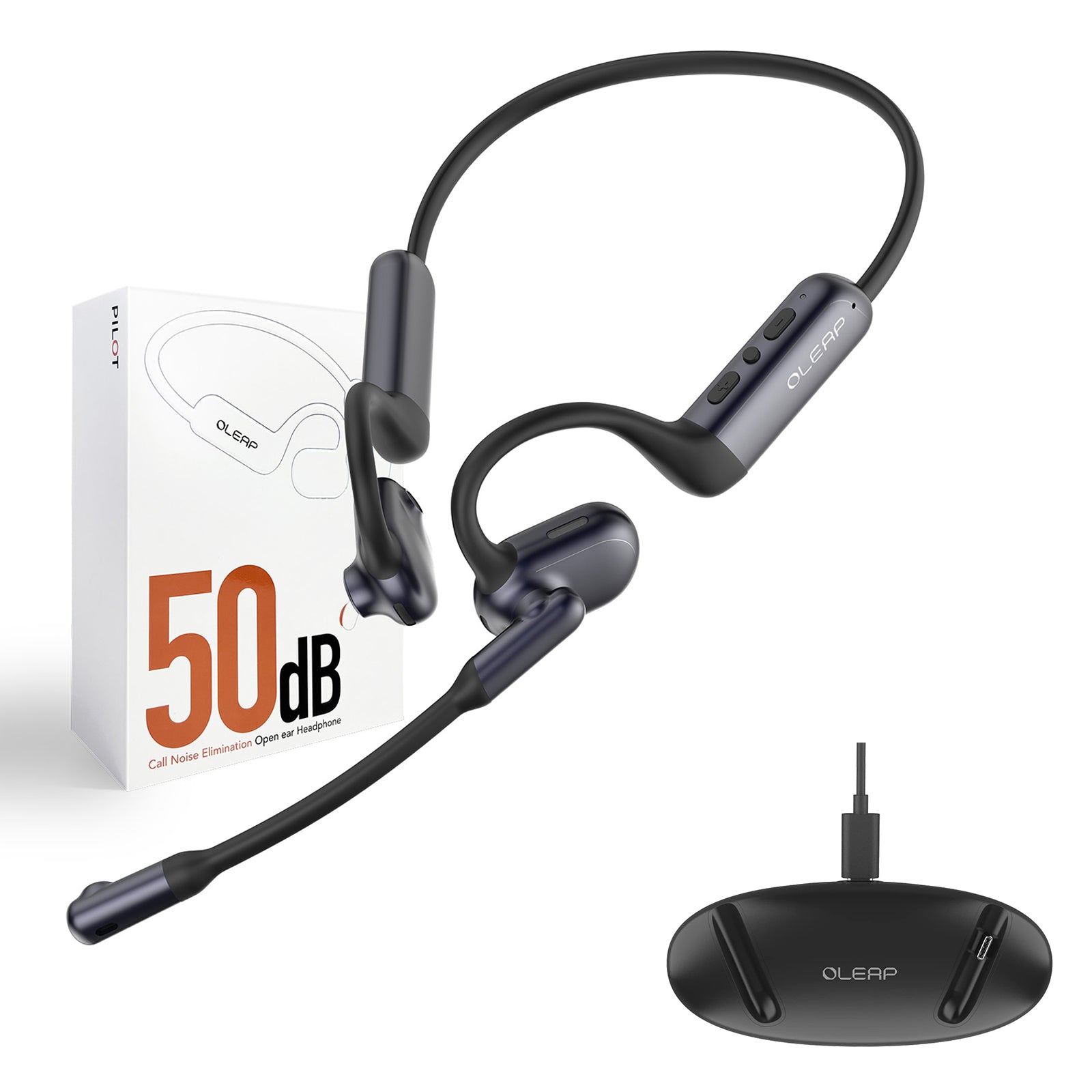
Artificial Intelligence is transforming every industry.
Companies are deploying AI agents to answer customer inquiries, automate workflows, assist developers, summarize meetings, and support daily operations. The conversation has shifted from whether businesses should adopt AI to how quickly they can scale it.
Yet many organizations overlook a critical component that determines whether AI actually performs well in real-world environments.
That component is voice.
AI Is Only As Good As What It Can Hear
Voice has become one of the primary interfaces between humans and AI.
Employees speak to AI assistants instead of typing. Developers code using voice. Customer service teams rely on speech-powered AI. Sales representatives dictate notes. Managers join meetings from airports, cafés, and open offices.
However, voice communication rarely happens in a perfectly quiet environment.
Background conversations. Mechanical noise. Traffic. Air conditioning systems. Coffee machines. Children at home.
Every unwanted sound competes with the speaker’s voice.
When AI receives noisy audio, the result isn’t simply lower audio quality—it becomes lower intelligence.
The model misunderstands commands. Speech recognition accuracy drops. Meeting transcripts become unreliable. AI agents generate incorrect outputs because the original input was compromised.
The problem isn’t the AI model.
The problem is the quality of the signal.
The AI Era Requires A New Infrastructure Layer
For decades, businesses invested in networking infrastructure, cloud infrastructure, cybersecurity infrastructure, and data infrastructure.
As AI becomes part of daily work, another layer is emerging.
Voice Infrastructure.
AI Voice Infrastructure refers to the technologies that ensure AI systems consistently receive clean, accurate, and reliable voice input regardless of surrounding noise.
It includes:
· Environmental noise suppression
· Voice isolation
· Speech enhancement
· Low-distortion voice processing
· Stable audio transmission
· Enterprise-grade communication devices
This infrastructure sits between people and AI, ensuring every spoken instruction reaches the model exactly as intended.
Why Noise Cancellation Alone Is No Longer Enough
Traditional headset marketing focuses on comfort, battery life, or noise cancellation specifications.
These features remain important—but they were designed for human conversations.
Today’s workplace introduces a new requirement.
Your headset is no longer communicating only with another person.
It is communicating with AI.
This changes the objective.
The goal is no longer to reduce noise for your ears.
The goal is to deliver the cleanest possible voice signal to the AI.
A headset should not simply sound good.
It should help AI hear correctly.
The Cost Of Poor Voice Input
Poor voice quality affects more than user experience.
It impacts productivity.
A misunderstood AI command may require multiple retries.
Incorrect meeting transcripts create extra administrative work.
Voice-driven coding slows down.
Customer conversations become less accurate.
As organizations deploy hundreds—or thousands—of AI-powered workflows, these seemingly small errors accumulate into measurable operational costs.
Voice quality becomes a business performance issue.
Voice Will Become A Strategic Enterprise Asset
The future workplace will not be built around keyboards alone.
Voice will become a primary operating interface.
Employees will speak naturally while AI listens continuously.
This shift makes AI Voice Infrastructure as fundamental as internet connectivity or cloud computing.
Businesses that invest only in AI models while ignoring voice quality may discover that their greatest bottleneck is not intelligence—but communication.
Building The Future Of AI Communication
At OLEAP, we believe AI deserves better input.
Our mission is not simply to build communication headsets.
Our mission is to build the voice infrastructure that enables reliable human-AI communication in real-world environments.
Because in the AI era, success begins long before the model generates an answer.
It begins with what the AI hears.