
Why Voice Quality Is Becoming the Next Productivity Advantage
The way we work is changing.
For decades, computers were controlled mainly through keyboards and screens. We typed commands, clicked buttons, and interacted with software through traditional interfaces.
But AI is changing this relationship.
Today, people are no longer just using software. They are collaborating with intelligent systems.
We ask AI assistants to write, analyze, code, summarize, and manage tasks. We communicate with AI through natural language—and increasingly, through voice.
As this shift accelerates, one thing is becoming clear:
The quality of communication will determine the quality of AI interaction.
AI Is Only As Effective As the Information It Receives
Modern AI models are becoming incredibly powerful.
They can understand complex instructions, generate content, and assist with professional workflows.
However, AI still depends on one fundamental thing:
Input quality.
When information is unclear, incomplete, or inaccurate, even the most advanced AI system cannot deliver the best results.
This is especially true for voice interaction.
Background conversations, office noise, keyboard sounds, traffic, and household distractions can all affect how accurately your voice is captured.
In the AI era, your microphone is no longer just a communication accessory.
It is the bridge between your ideas and intelligent systems.
From Meetings to AI Workflows: Voice Is Becoming Essential
The role of voice has expanded far beyond traditional phone calls.
Professionals today use voice for:
· Online meetings and remote collaboration
· AI assistants and voice commands
· AI coding workflows
· Real-time transcription
· Knowledge sharing and brainstorming
For developers using AI coding tools, voice enables a more natural workflow.
Instead of spending time writing detailed prompts, they can simply explain their ideas:
“Create this feature.”
“Improve the performance.”
“Change the design direction.”
“Find the problem and suggest a solution.”
The interaction becomes closer to working with a human teammate.
Voice is becoming the most natural interface between humans and AI.
Clear Communication Requires Better Technology
As voice becomes more important, traditional audio solutions are facing new challenges.
Consumer audio products are often optimized for entertainment.
Professional AI workflows require something different:
Accuracy.
Reliability.
Clarity.
This is why advanced noise cancellation technology is becoming increasingly important.
The goal is not only to hear others better.
The goal is to make sure your voice reaches people and AI systems accurately.
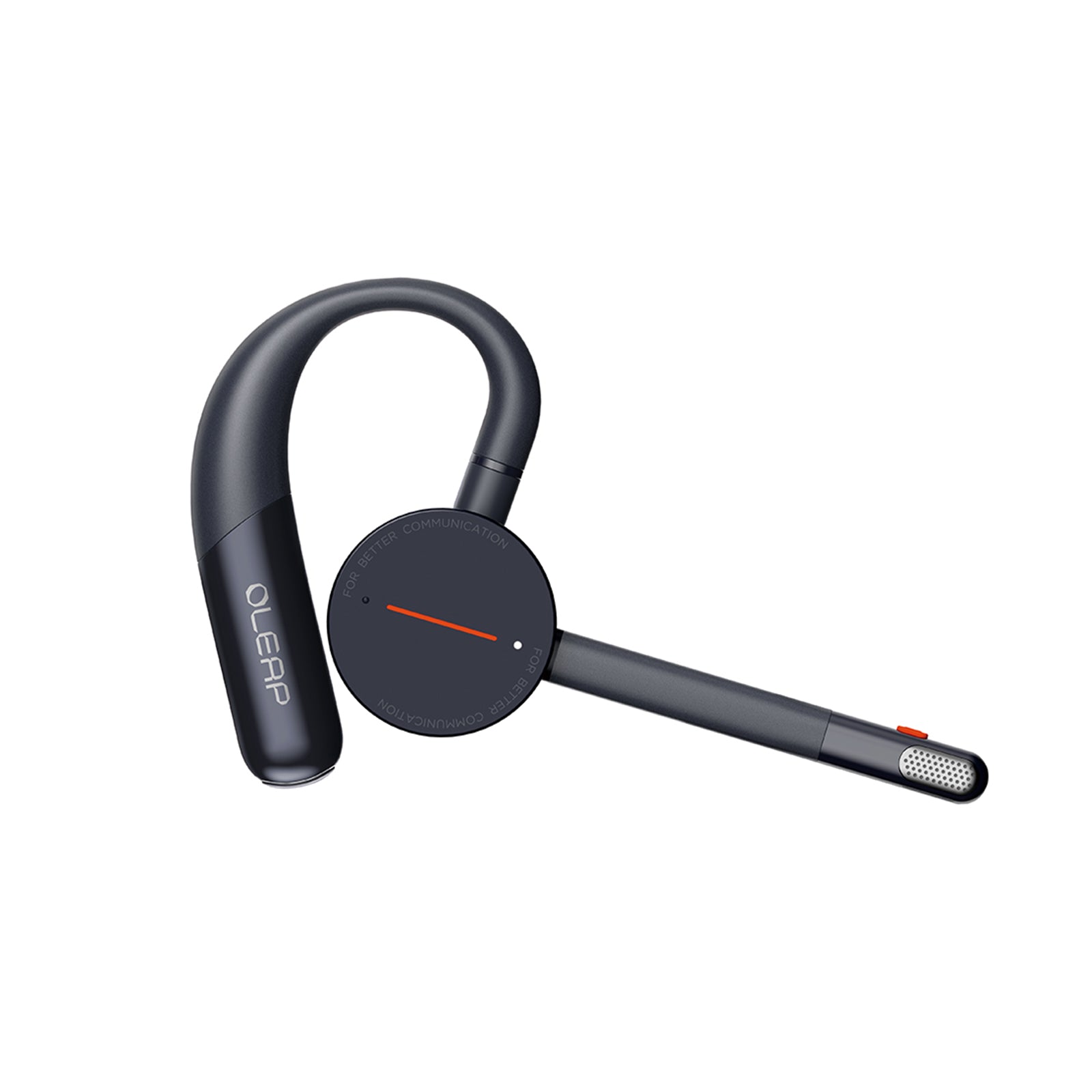
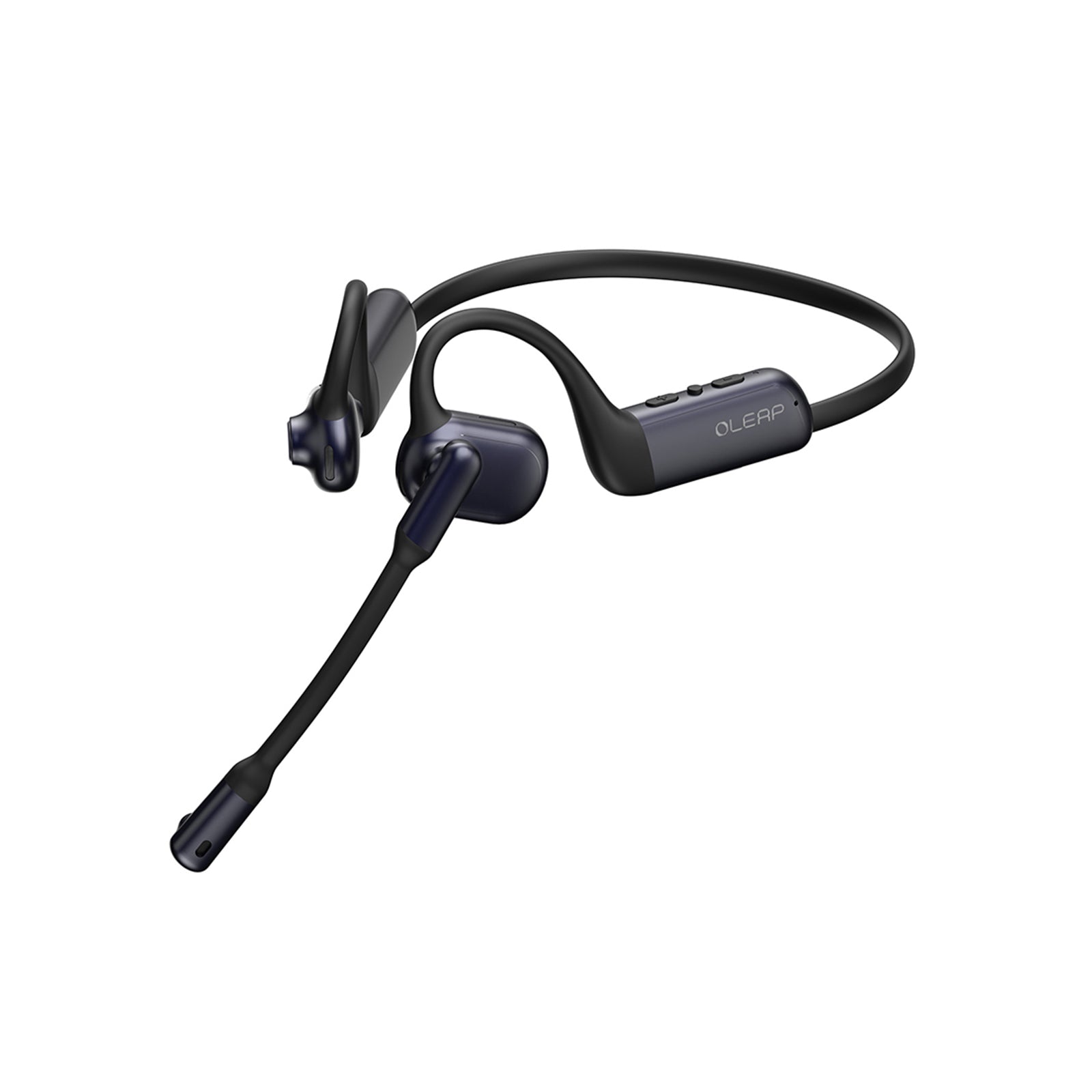
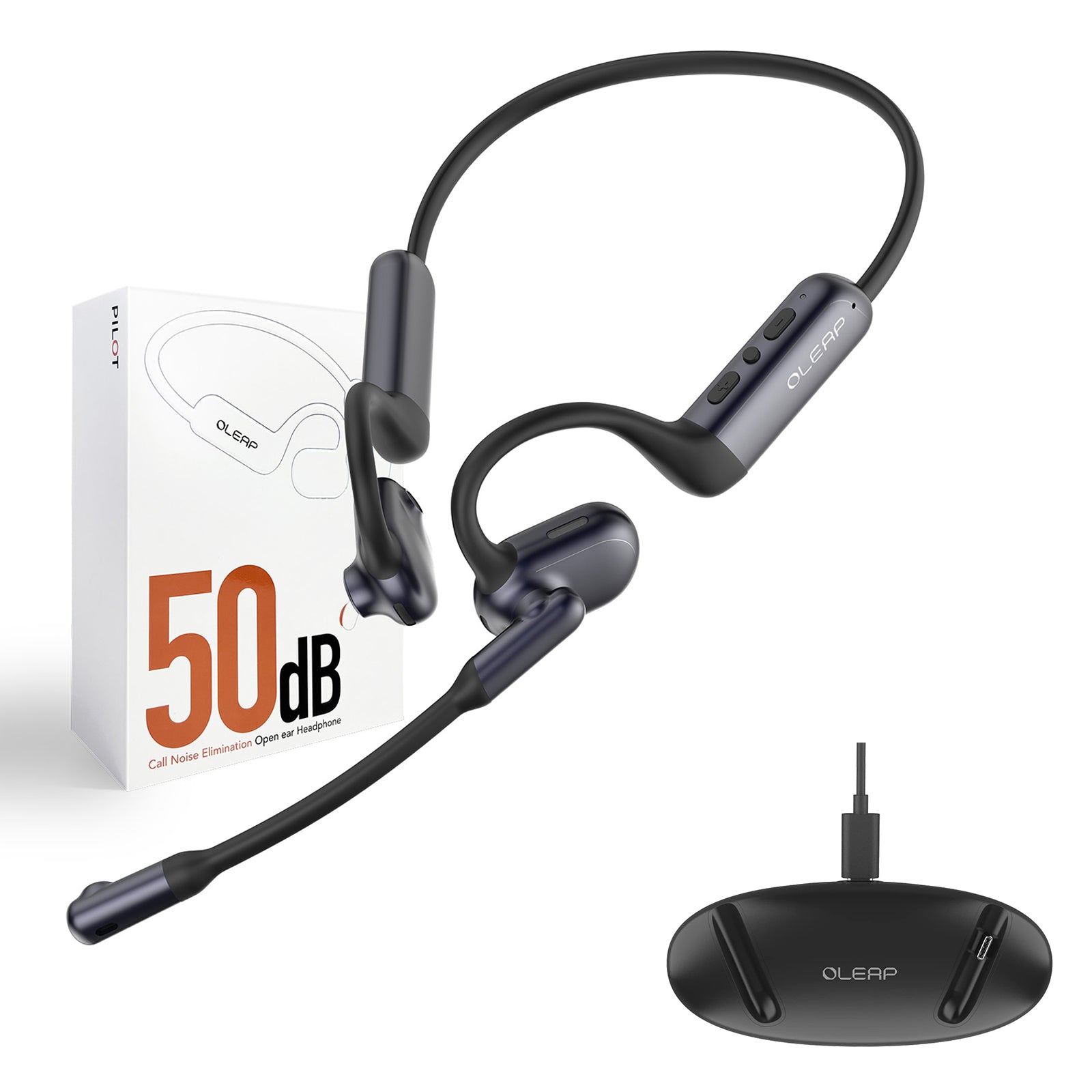
Oleap Archer: Designed for the AI Workplace
Built for modern professionals, Oleap Archer focuses on delivering clearer voice communication in everyday working environments.
Featuring 50 dB Environmental Noise Cancellation (ENC) technology, Archer helps reduce surrounding noise and improves voice clarity during meetings, conversations, and AI-powered workflows.
Whether you are working in an open office, collaborating remotely, or interacting with AI tools throughout the day, Archer is designed to help your voice stay clear and consistent.
Because in an AI-driven workplace, every idea starts with communication.
The Future of Work Will Be More Conversational
The next generation of productivity will not only be measured by how fast we type or how powerful our computers are.
It will depend on how effectively we communicate with intelligent systems.
AI models will continue to evolve.
Agents will become more capable.
Workflows will become more automated.
But one thing will remain constant:
Humans need a natural way to express ideas.
And the most natural interface we have is our voice.
At Oleap, we believe the future of work requires better communication technology—helping people connect with each other and collaborate with AI more naturally.
The AI era is not only about smarter machines.
It is about better communication between humans and intelligence.