
Voice‑powered AI workflows have become an important productivity tool for modern professionals. More AI practitioners and business users prefer issuing voice commands rather than typing, aiming to free their hands and keep their thought process uninterrupted. Yet most users depend on built‑in smartphone microphones for voice‑to‑text conversion and AI prompt input, which exposes obvious flaws in real‑world working conditions.
Open‑plan offices, busy meeting areas, cafes and transit spaces are filled with ambient sounds and surrounding human chatter. These noises contaminate voice capture, causing smartphone voice‑to‑text to produce garbled and inaccurate text. When AI receives distorted voice instructions, it generates misleading and mismatched results. Even state‑of‑the‑art large language models cannot deliver correct outputs if the input audio is noisy. Users end up spending extra time revising transcripts and re‑entering prompts, and the hands‑free workflow turns into inefficient frustration.
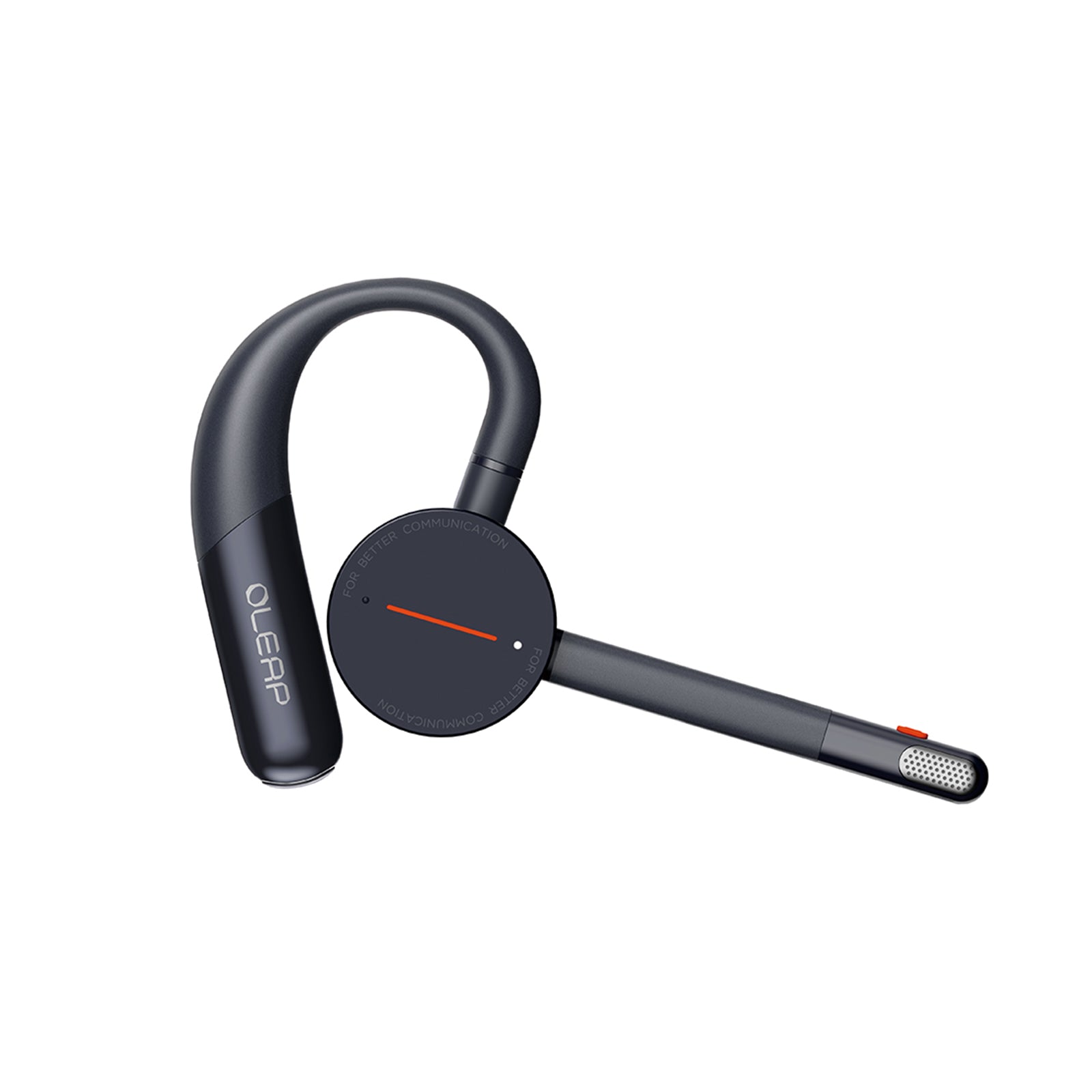
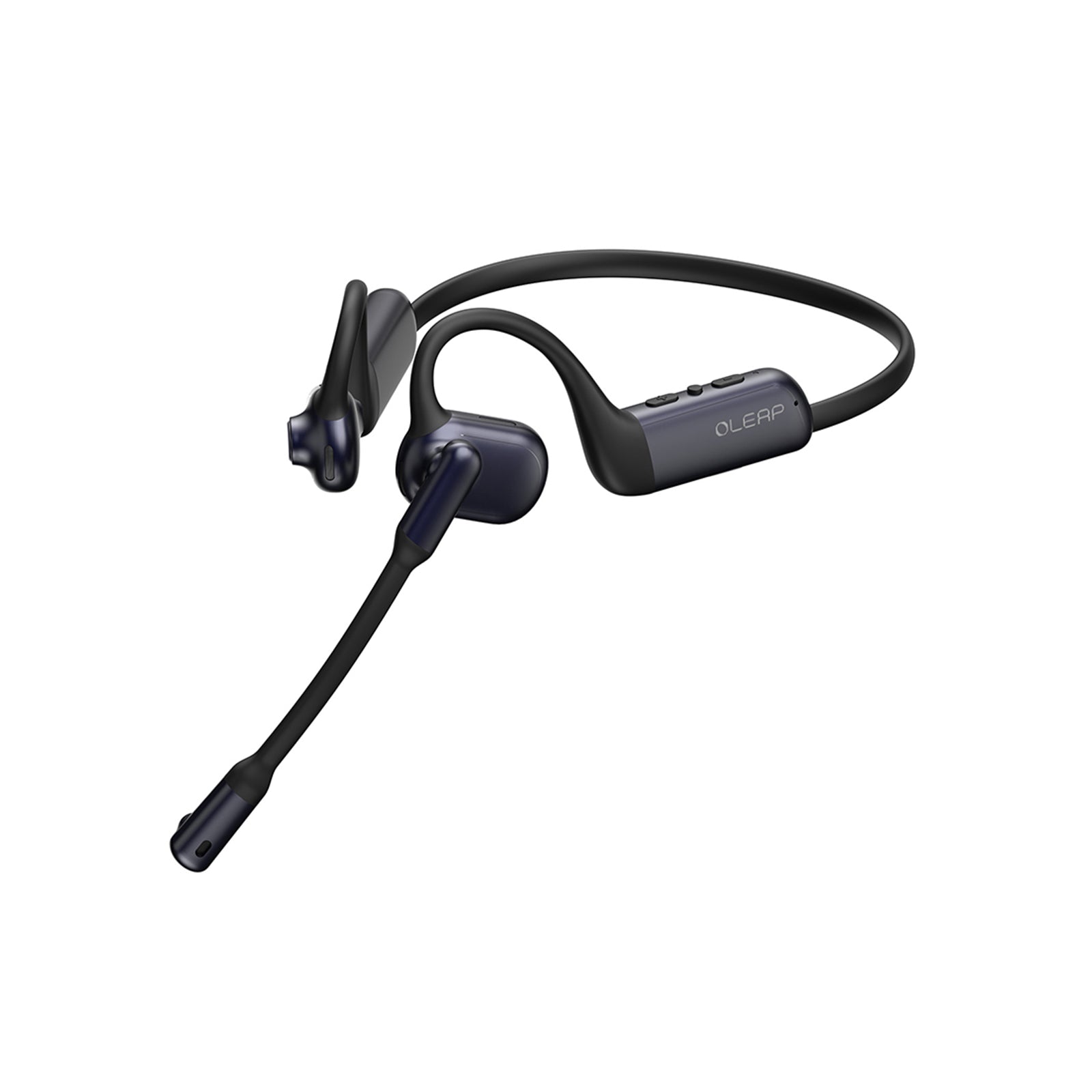
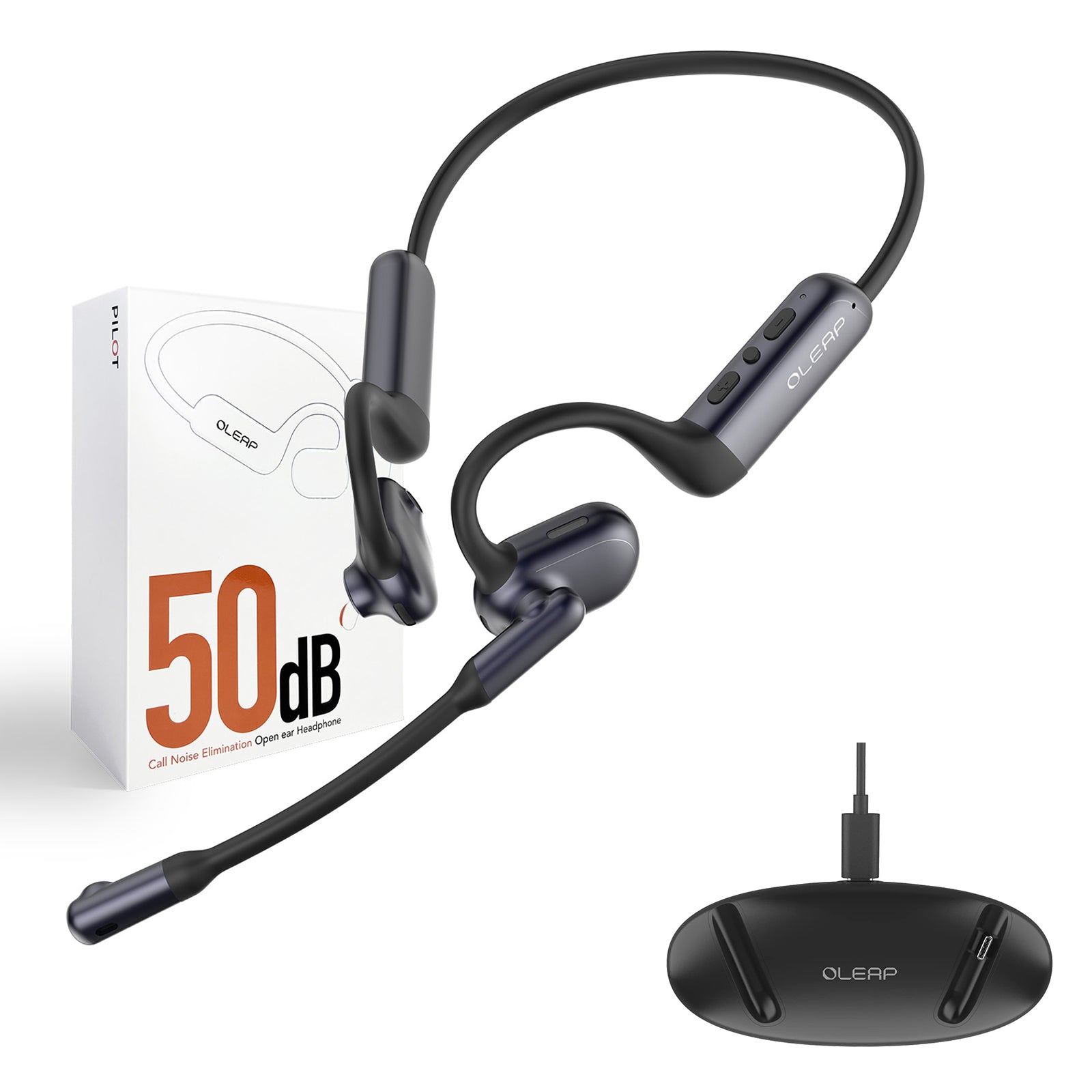
Oleap Archer addresses this fundamental pain point from the audio input layer. Equipped with powerful ENC noise suppression, the headset effectively isolates the user’s voice and filters out surrounding human voices and background disturbances. Even under noisy conditions, clear and complete voice commands are delivered. With precise voice input, voice‑to‑text achieves high accuracy, and AI can fully understand user intent and return expected, reliable responses.
Beyond noise‑free voice capture, Oleap Archer empowers cross‑device AI workflows. Users can send voice commands via mobile phone to remotely control their PC. There is no need to stay seated in front of a desktop device. While away from the desk, users can dictate AI prompts, record brainstorming ideas and process meeting content through the headset connected to a mobile device, with the computer handling heavy‑duty AI processing in the background.
Its lightweight semi‑in‑ear structure supports long‑hour comfortable wear for continuous work. One‑tap local recording preserves original audio files for subsequent AI transcription and key‑point sorting. Smooth dual‑device switching maintains stable connections throughout the mobile‑to‑PC remote AI workflow.
### H2: Practical Workflows for Daily AI‑Driven Work
Working within noisy public or office environments, users articulate AI requirements directly through Oleap Archer. Background noise is filtered before audio reaches the mobile phone. Accurate voice‑to‑text results are generated, allowing AI to interpret demands correctly. Idea expression keeps continuous, without frequent manual correction of faulty transcripts.
When users leave their workstations, they leverage Oleap Archer paired with mobile phones to deliver voice instructions. Voice signals are transmitted across devices to activate AI tasks running on personal computers. Brainstorming prompts, extracting meeting insights and generating AI drafts can all be completed hands‑free, without operating keyboards or mice.
Many existing voice‑AI solutions rely purely on software algorithms and assume quiet working surroundings. Once speech information is lost amid ambient noise, software cannot restore valid content. The quality of input audio determines the overall performance of an AI workflow. Misinterpreted voice commands will trigger incorrect downstream AI outputs, regardless of how advanced the AI model is.
Oleap Archer serves AI practitioners, prompt engineers, consultants, managers and hybrid workers who frequently operate in noisy scenarios and pursue hands‑free AI interaction. As the front‑end hardware of cross‑device voice‑AI workflow, it removes noise interference for voice‑to‑text and command input. It enables stable hands‑free AI interaction in chaotic environments and supports mobile‑initiated remote PC workflows. It converts spoken thoughts into accurate AI instructions, reduces repeated revision work and realizes genuine voice‑first productivity.