
For decades, programming has been synonymous with keyboards.
Developers measured productivity by typing speed, keyboard shortcuts, and IDE mastery.
But AI is quietly changing that assumption.
The rise of Vibe Coding suggests that the future of software development isn’t about writing more code—it’s about communicating ideas more effectively.
And the fastest way humans communicate ideas has never been a keyboard.
It’s our voice.
Vibe Coding Is Really About Collaboration
The term Vibe Coding has become increasingly popular with the emergence of AI-powered coding assistants like Cursor, Claude Code, and ChatGPT.
Despite the name, the concept isn’t really about coding.
It’s about conversation.
Instead of manually implementing every function, developers describe what they want:
“Build a login page.”
“Refactor this into smaller components.”
“Optimize this query.”
“Add error handling.”
The AI handles implementation while the developer provides direction.
The role shifts from writing every line of code to guiding an intelligent collaborator.
As AI capabilities improve, communication becomes the new programming language.
The Real Bottleneck Isn’t AI
Many developers assume that today’s limitation is model intelligence.
In reality, it’s often the quality of human input.
Most workflows still look like this:
Type a prompt.
Edit it.
Rewrite it.
Copy context.
Paste documentation.
Repeat.
A request that could be explained naturally in thirty seconds often takes several minutes to type and refine.
This isn’t because typing is efficient.
It’s because typing has been the default interface for decades.
Voice Is Our Native Interface
People naturally speak much faster than they type.
While average typing speeds range from 40 to 70 words per minute, conversational speech typically reaches 130 to 180 words per minute—and often much more when explaining complex ideas.
More importantly, speech carries information that text often loses.
Tone.
Emphasis.
Context.
Corrections.
Clarifications.
Developers frequently change direction mid-sentence:
“Actually, make that asynchronous…”
“No, keep the original API…”
“Let’s optimize memory instead of CPU…”
This kind of iterative thinking feels natural in conversation but becomes tedious through constant editing.
For AI systems designed to collaborate, voice is simply a more natural interface.
Better Voice Input Produces Better AI Output
As voice becomes a primary way of interacting with AI, another challenge emerges.
Noise.
Open offices.
Coffee shops.
Home environments.
Mechanical keyboards.
Air conditioners.
Background conversations.
Even the most advanced language model cannot accurately interpret instructions if it receives poor audio.
The principle is straightforward:
Garbage in. Garbage out.
As AI becomes more capable, input quality becomes increasingly important.
Reliable voice capture is no longer just a conferencing feature.
It’s becoming critical AI infrastructure.
Why Audio Hardware Matters in the AI Era
For years, people evaluated headsets based on music quality, comfort, or battery life.
Today, there’s another question worth asking:
Can AI hear you clearly?
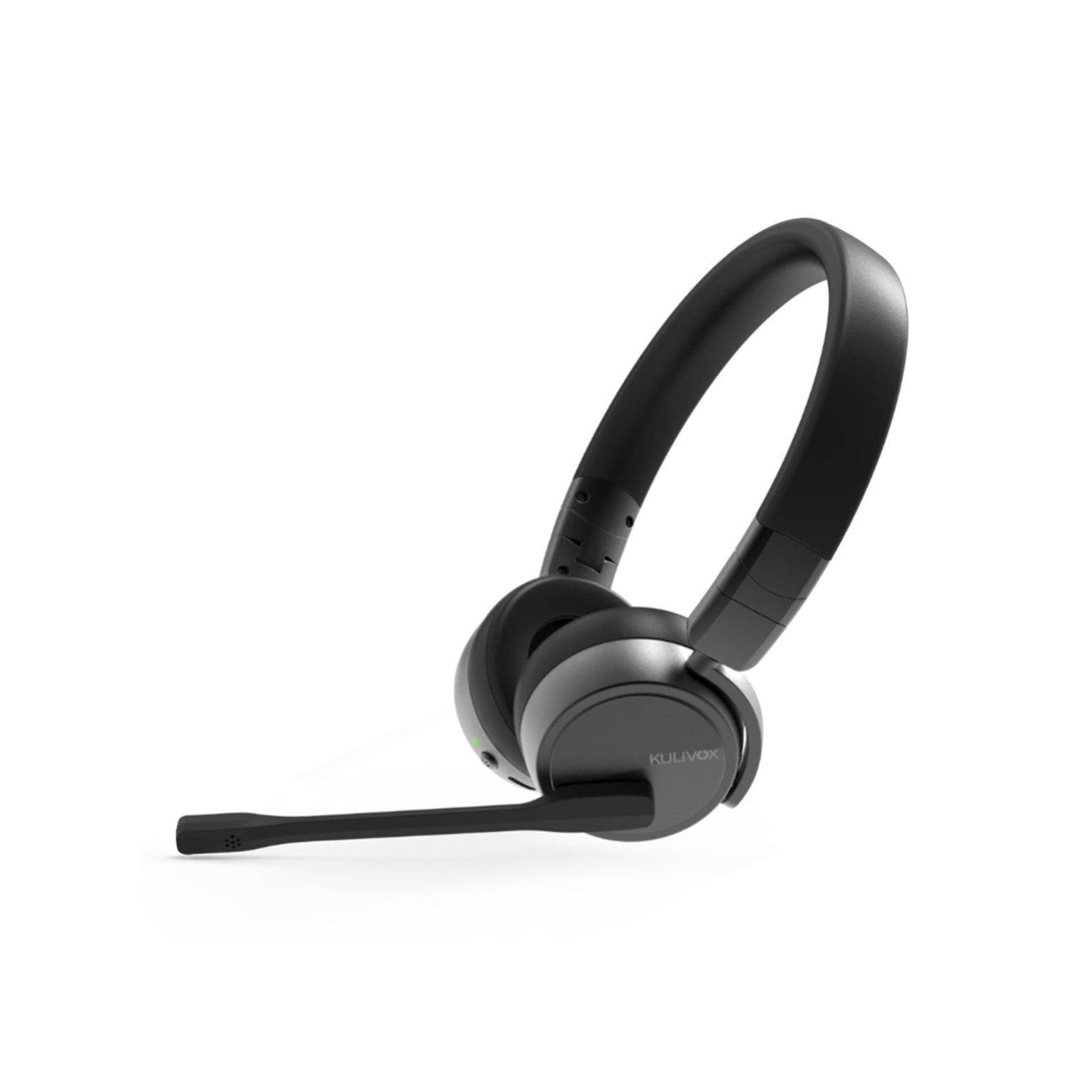
Modern professionals spend hours speaking not only in meetings but also with AI assistants, coding tools, transcription software, and intelligent agents.
That makes microphone performance just as important as speaker quality.
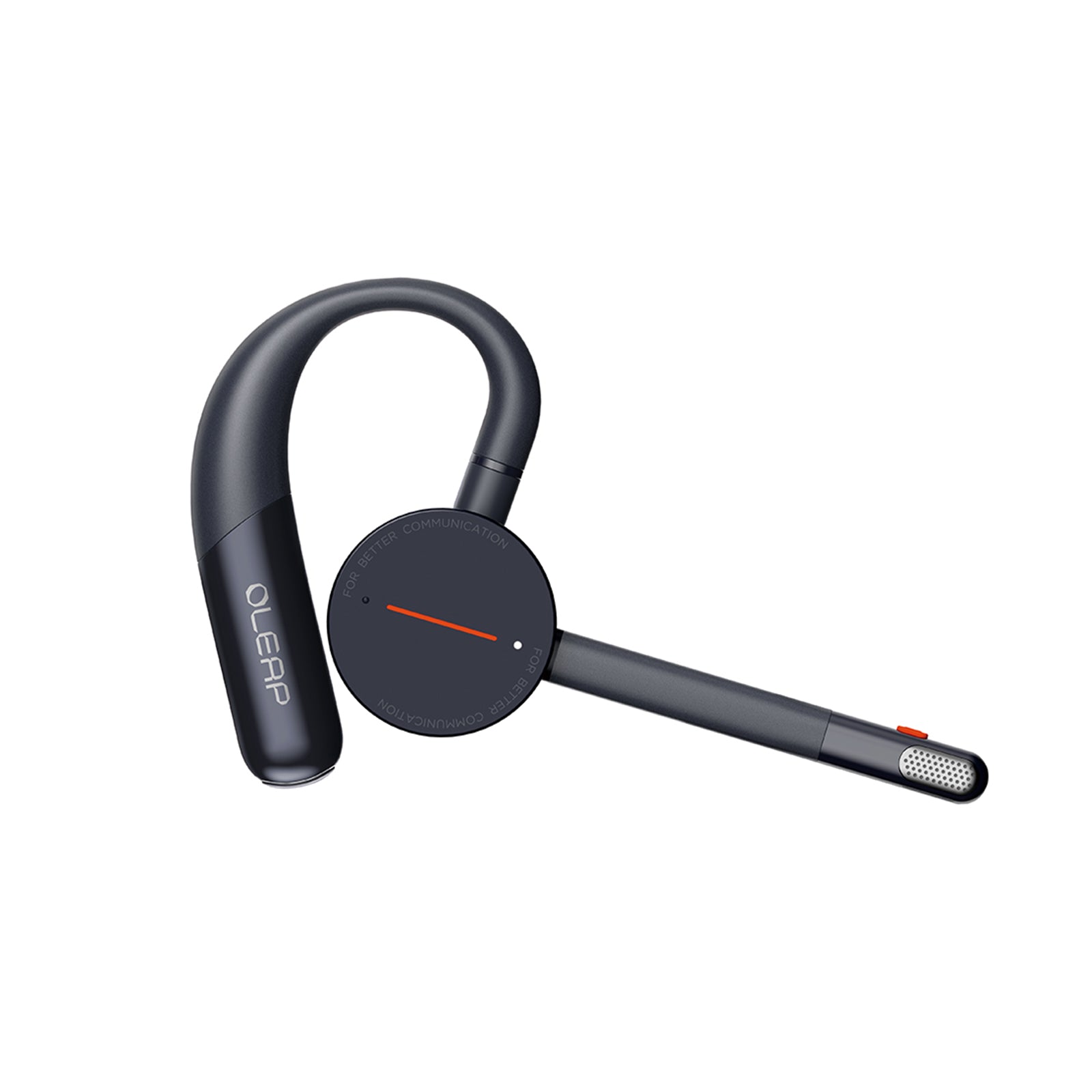
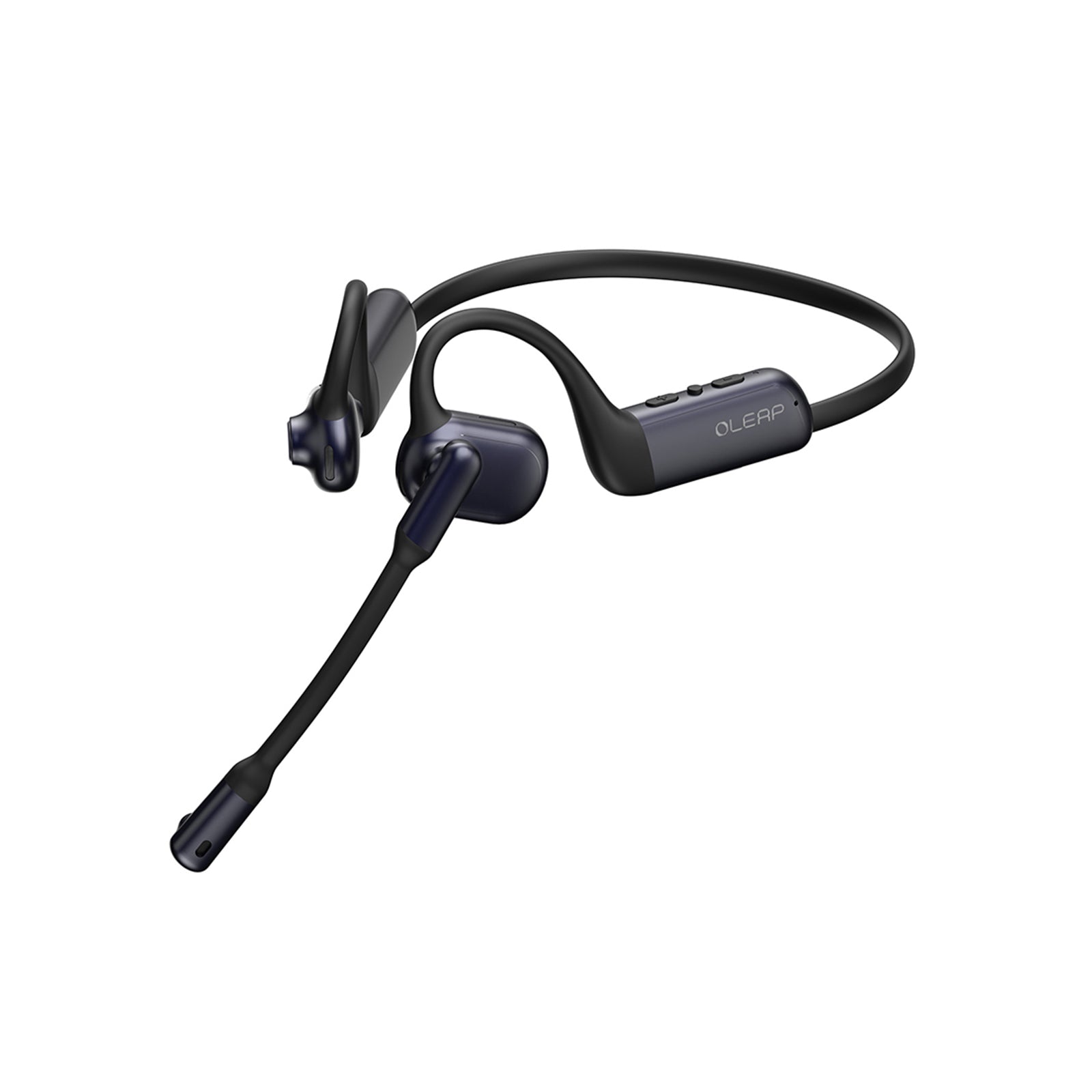
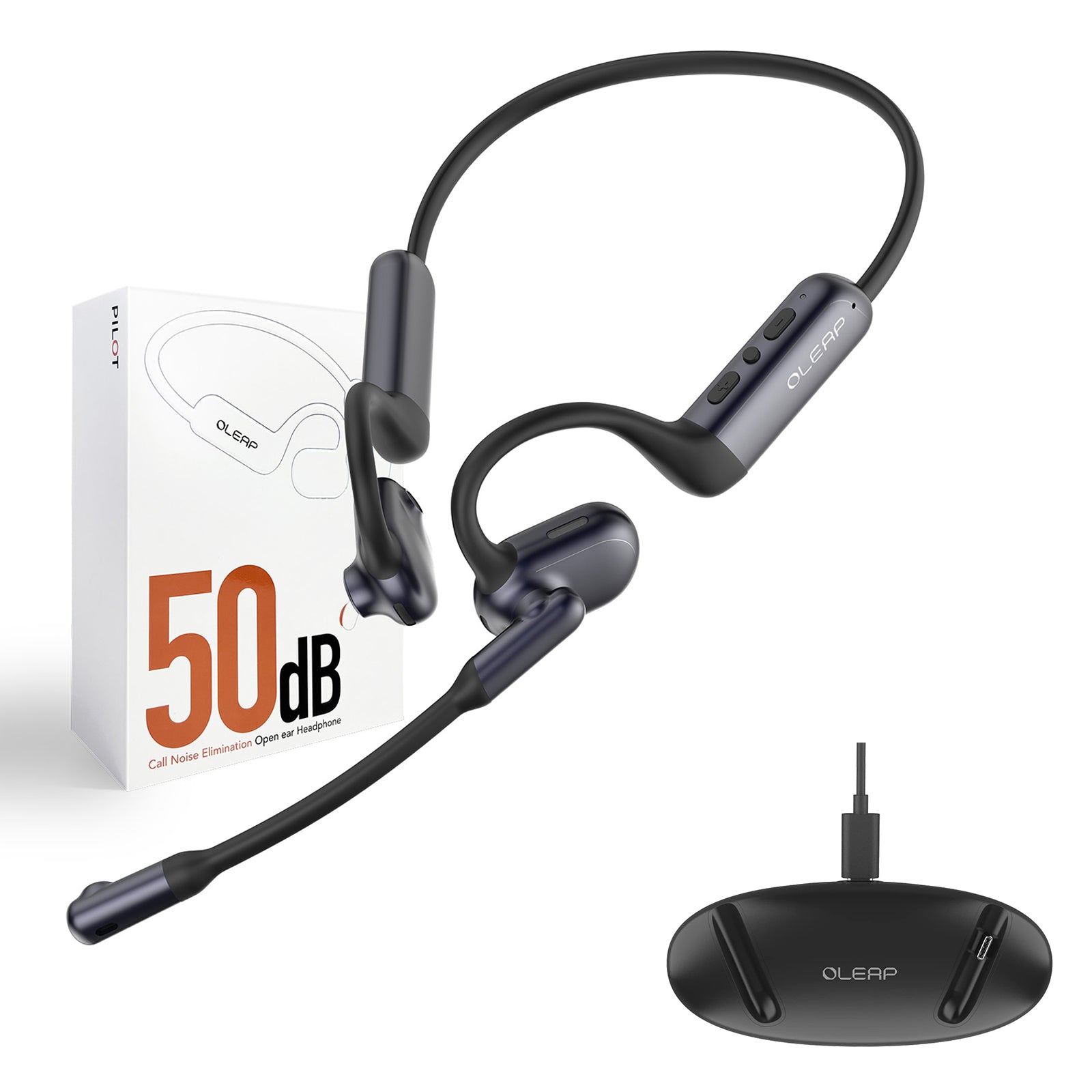
For example, the Oleap Archer is designed specifically for professional voice communication.
Its 50 dB ENC (Environmental Noise Cancellation) technology helps suppress background noise so that both AI systems and meeting participants receive a cleaner, more accurate voice signal—even in challenging work environments.
When AI relies on voice as its primary input, clearer audio directly contributes to more reliable interactions.
The Next Productivity Upgrade Isn’t Another Model
Many professionals invest in faster computers, larger monitors, and more powerful AI subscriptions.
Yet they continue using microphones that introduce unnecessary friction into every AI conversation.
As human-AI collaboration becomes increasingly conversational, the interface itself becomes part of the productivity stack.
Just as high-resolution displays improved visual workflows, high-quality voice capture will improve AI workflows.
The future of programming may involve less typing.
The future of productivity may involve more talking.
And in that future, voice isn’t simply another input method.
It becomes the operating system for human-AI collaboration.