
Working with international clients and colleagues often means communicating across different languages.
Whether you're meeting a client overseas, attending an international conference, or reviewing a multilingual business discussion, language barriers can slow things down.
Fortunately, AI-powered translation tools are making cross-language communication more convenient.
Two particularly useful features are face-to-face translation and bilingual transcription.
But what's the difference, and when should you use each one?
What Is Face-to-Face Translation?
Face-to-face translation is designed to help people communicate when they speak different languages.
Imagine you're traveling abroad for a business meeting. Your client speaks a language you're not fluent in, but you still need to discuss project details, pricing, and next steps.
Instead of constantly switching between conversations and manually typing into a translation app, an AI-assisted translation tool can help you understand spoken language and respond more naturally.
Face-to-face translation is useful for:
-
International business meetings
-
Conversations with overseas clients
-
Trade shows and exhibitions
-
Business travel
-
Everyday cross-language communication
Its main purpose is simple: help people understand one another during a conversation.
What Is Bilingual Transcription?
Bilingual transcription focuses on recording, transcribing, and translating spoken content so you can review it afterward.
For example, imagine attending an international project meeting where several important decisions are discussed.
Even if you understand most of the conversation, you might miss a technical term, deadline, or specific detail.
Bilingual transcription helps transform spoken content into written text with corresponding translations.
This makes it easier to revisit the discussion, verify important information, and organize your notes.
Bilingual transcription is especially useful for:
-
International team meetings
-
Multilingual project discussions
-
Reviewing conversations with overseas partners
-
Recording important business information
-
Preparing meeting summaries and follow-up tasks
Instead of relying entirely on memory, you have written content to reference.
Face-to-Face Translation vs. Bilingual Transcription
Although both features help overcome language barriers, they serve different purposes.
| Feature | Face-to-Face Translation | Bilingual Transcription |
|---|---|---|
| Main purpose | Support conversations | Record and review information |
| Best use | In-person discussions | Meetings and recorded conversations |
| Main benefit | Easier communication | Easier information review |
| Typical scenario | Speaking with an overseas client | Reviewing an international meeting |
The key difference: Face-to-face translation helps you communicate in the moment, while bilingual transcription helps you capture and understand information for later use.
How Oleap Archer Supports Cross-Language Work
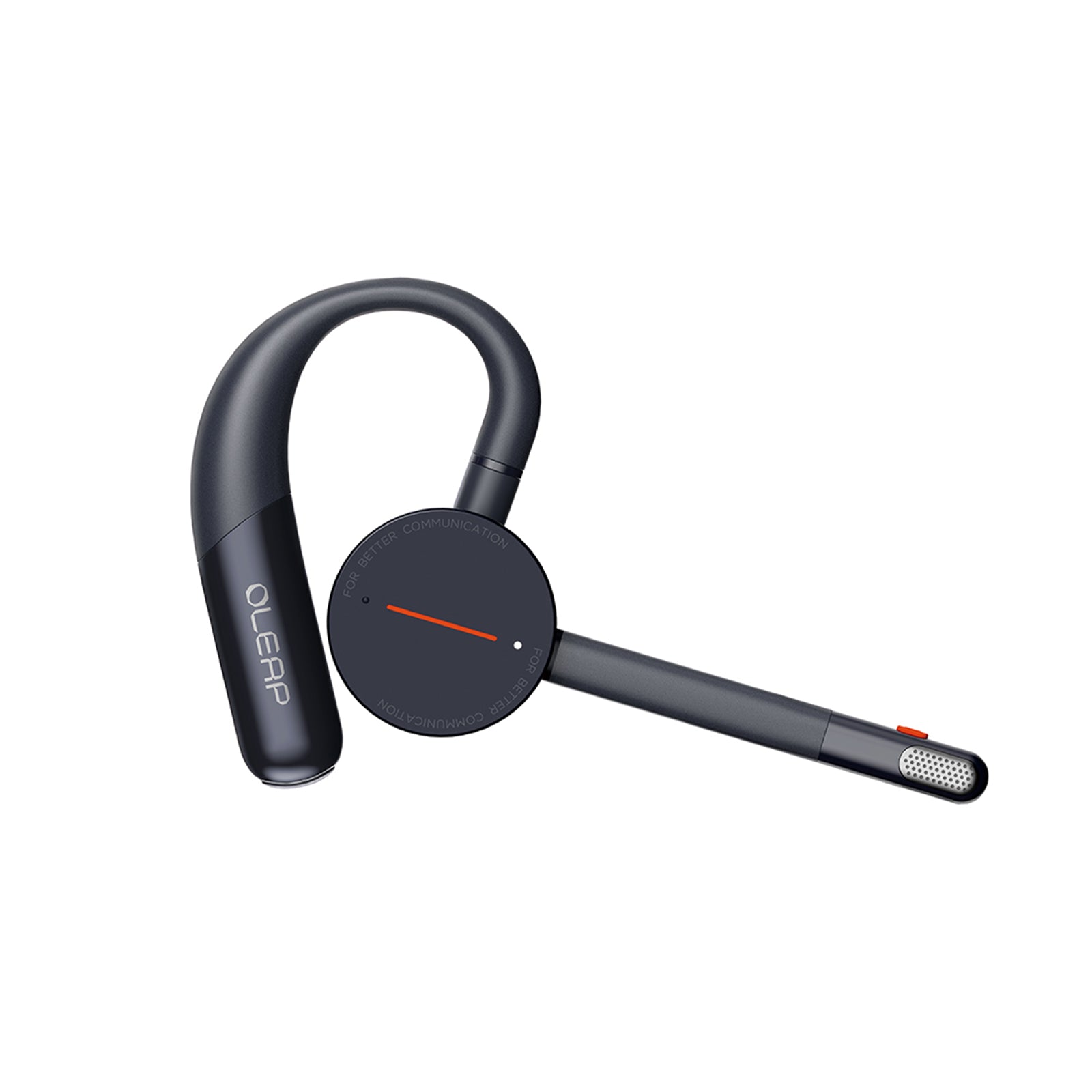
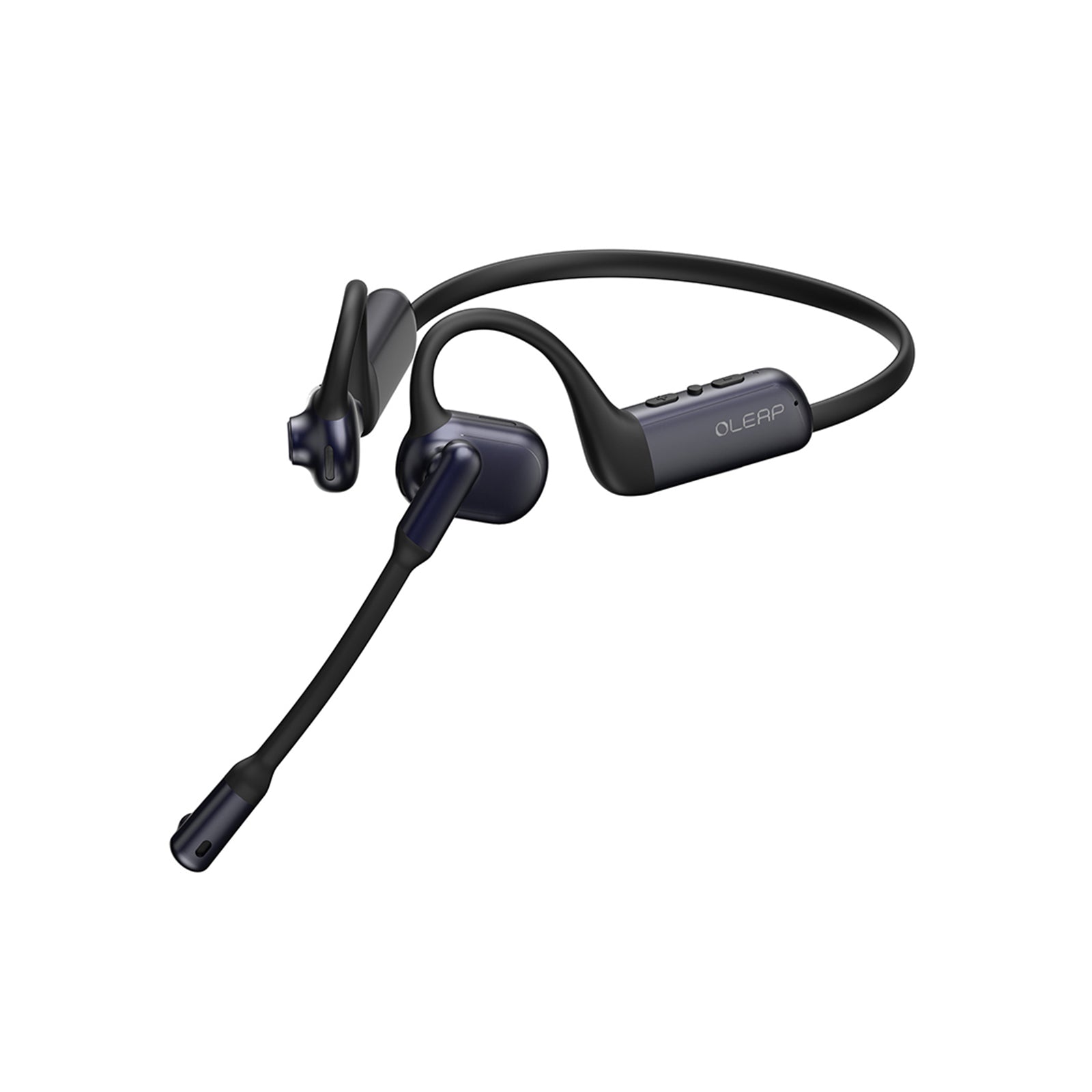
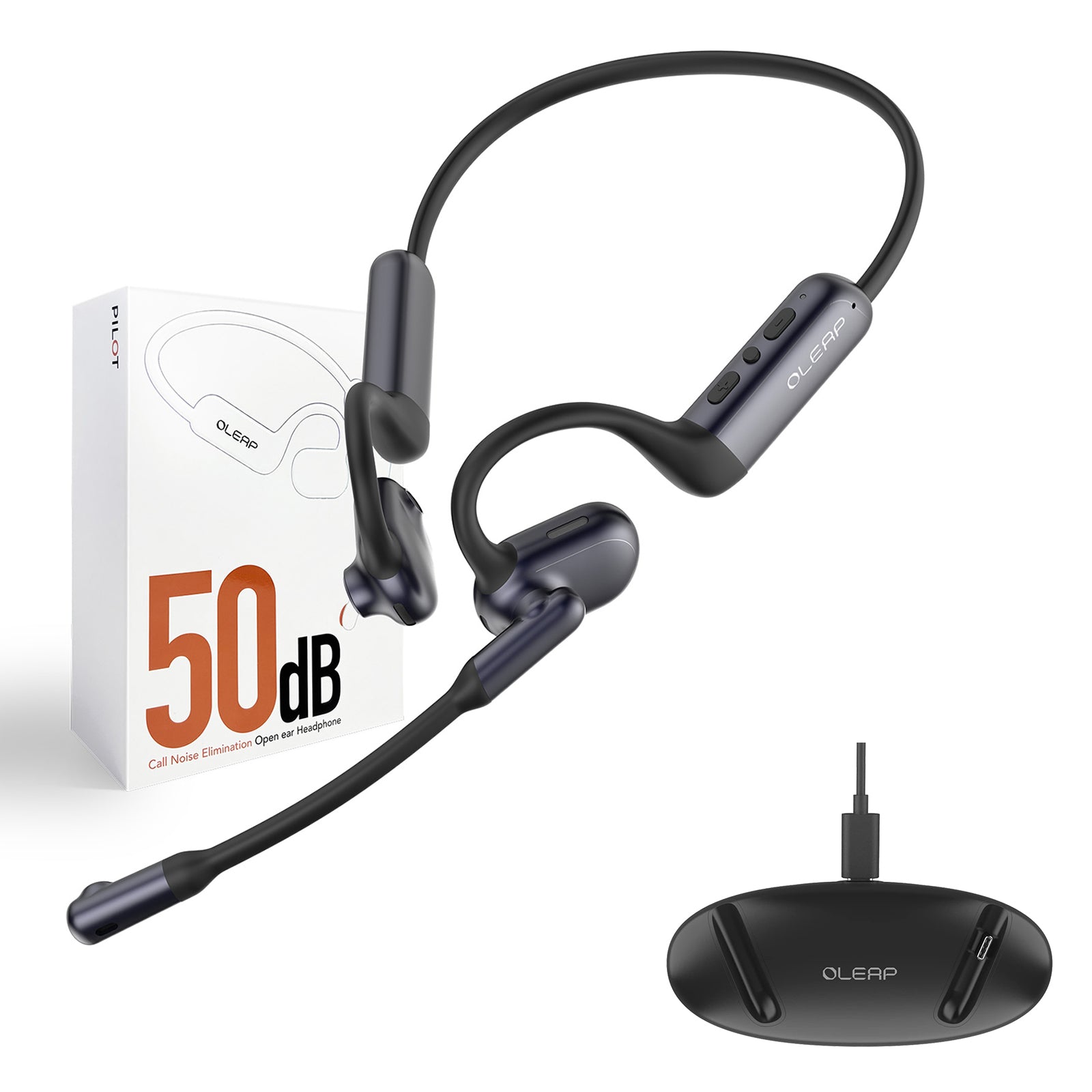
The Oleap Archer is designed to combine clear voice communication with AI-powered productivity tools.
Through the Oleap app, Archer supports both face-to-face translation and bilingual transcription and translation.
These features can help professionals handle cross-language conversations and review important information more efficiently.
But translation is only part of the experience.
Archer also features 50dB ENC microphone noise suppression technology, designed to reduce unwanted background noise and improve voice clarity during calls.
This is especially valuable for professionals working in busy airports, crowded offices, or public spaces.
In addition, Archer supports AI-powered transcription, summaries, and mind maps, helping users turn recorded conversations into more organized information.
Together, these capabilities make Archer more than a traditional communication headset.
It becomes a practical tool for professionals who regularly communicate, collaborate, and work across languages.
Translation availability, supported languages, and performance may vary depending on app settings, software versions, and environmental conditions.
Which Feature Should You Choose?
If your priority is communicating with someone who speaks another language, face-to-face translation is the more relevant feature.
If your priority is capturing information, reviewing meeting details, or organizing multilingual discussions, bilingual transcription may be more useful.
For international professionals, both can play an important role in everyday work.
Final Thoughts
Language differences shouldn't prevent productive business communication.
With AI-powered translation and transcription tools, professionals can spend less time worrying about language barriers and more time focusing on meaningful conversations.
Communicate clearly. Understand more. Work efficiently.
Discover how Oleap Archer brings clear communication and AI-powered productivity together.