
Why clear calls aren’t about volume — but about clarity
Most people believe that if they can hear a conversation clearly, then everyone else on the call must be hearing it just as well.
But this assumption is exactly where most call-quality problems begin.
Because hearing sound and capturing sound are two very different things.
The Human Ear Is Selective — By Design
The human ear is not a neutral recording device.
It is a highly selective system shaped by evolution.
In everyday life, your brain constantly filters sound without you noticing. You can focus on a colleague’s voice while ignoring keyboard clicks, air-conditioning hum, footsteps in the background, or a distant conversation at the next table. This process happens automatically. You don’t decide to “filter” noise — your brain simply does it for you.
That’s why you often feel confident joining a call from a café, an open office, or your living room. To you, the environment feels manageable. You can still hear. You can still think. Everything seems fine.
But this is where perception and reality quietly diverge.
Microphones Don’t Choose — They Collect
A microphone does not have a brain.
It doesn’t know which sound matters and which doesn’t.
It doesn’t prioritize meaning, intention, or speech.
Instead, a microphone captures everything within its pickup range — voices, reflections, background conversations, mechanical noise, and subtle vibrations — all mixed into a single audio stream.
From the microphone’s perspective, your voice is just one signal competing with many others. And when those signals overlap in frequency — which is extremely common in real-world environments — clarity collapses.
This is why people on the other end of the call often say:
“You’re not quiet… but you’re hard to understand.”
The issue is rarely volume.
The issue is signal contamination.
The Real Problem Isn’t “Too Quiet” — It’s “Too Mixed”
Most communication issues don’t happen because your voice is too soft. They happen because your voice is not isolated.
Background noise doesn’t need to be loud to be disruptive. Even subtle sounds — airflow, keyboard taps, distant speech — can interfere with how speech is captured. Once mixed together, these sounds blur consonants, flatten intonation, and reduce intelligibility.
This is especially damaging in:
• professional calls,
• online meetings,
• sales conversations,
• interviews,
• and AI-assisted transcription.
When sound is mixed, meaning gets lost — even if everyone can technically “hear” something.
Why Modern Calls Need More Than Noise Reduction
This is where many users misunderstand call audio technology.
Reducing noise is not enough.
What matters is separating voice from everything else.
Clear communication depends on whether a system can:
• identify human speech,
• isolate it from competing sounds,
• and deliver it cleanly to the listener — or to an AI system.
In other words, modern call quality is not about making environments silent.
It’s about making voices distinct.
Where Oleap Comes In
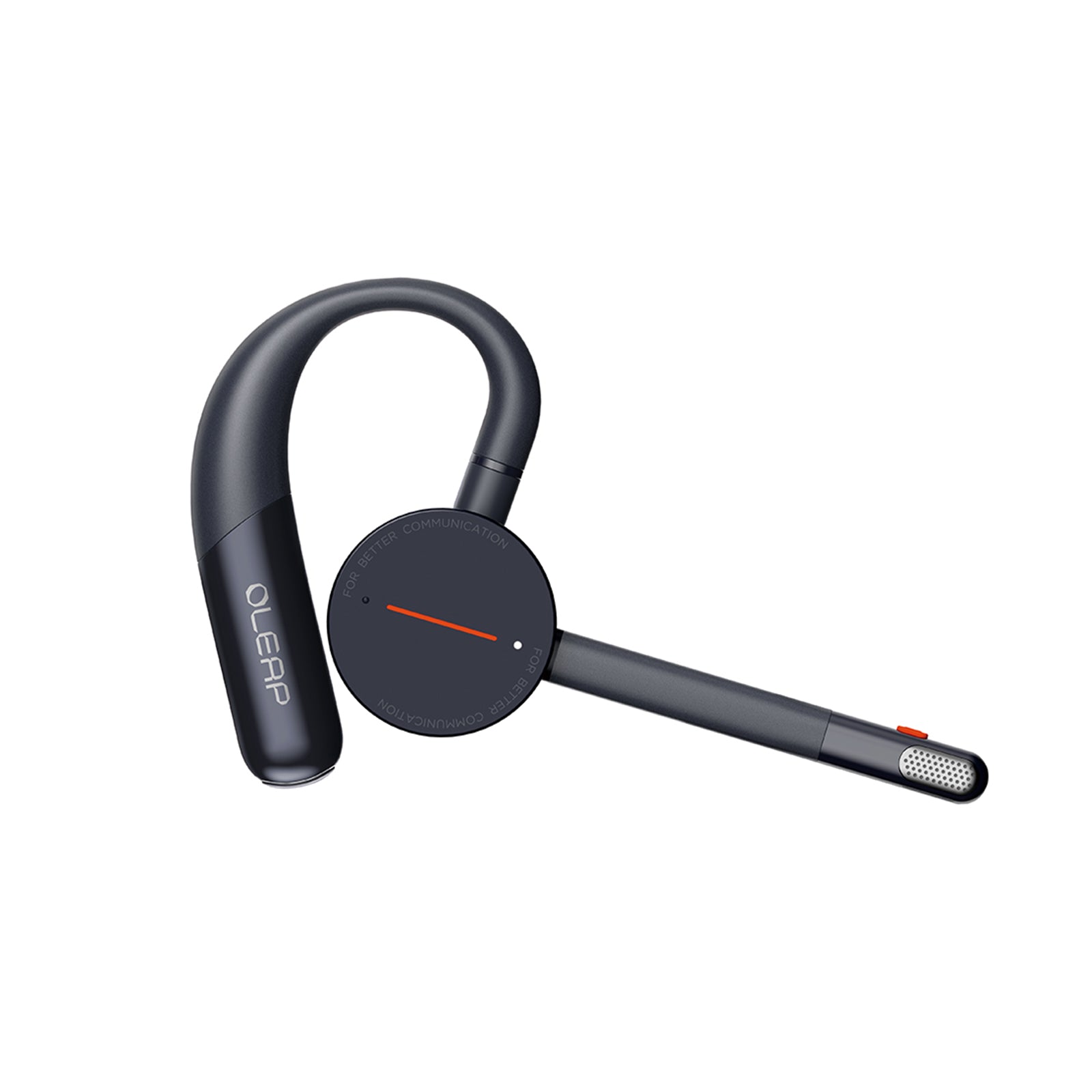
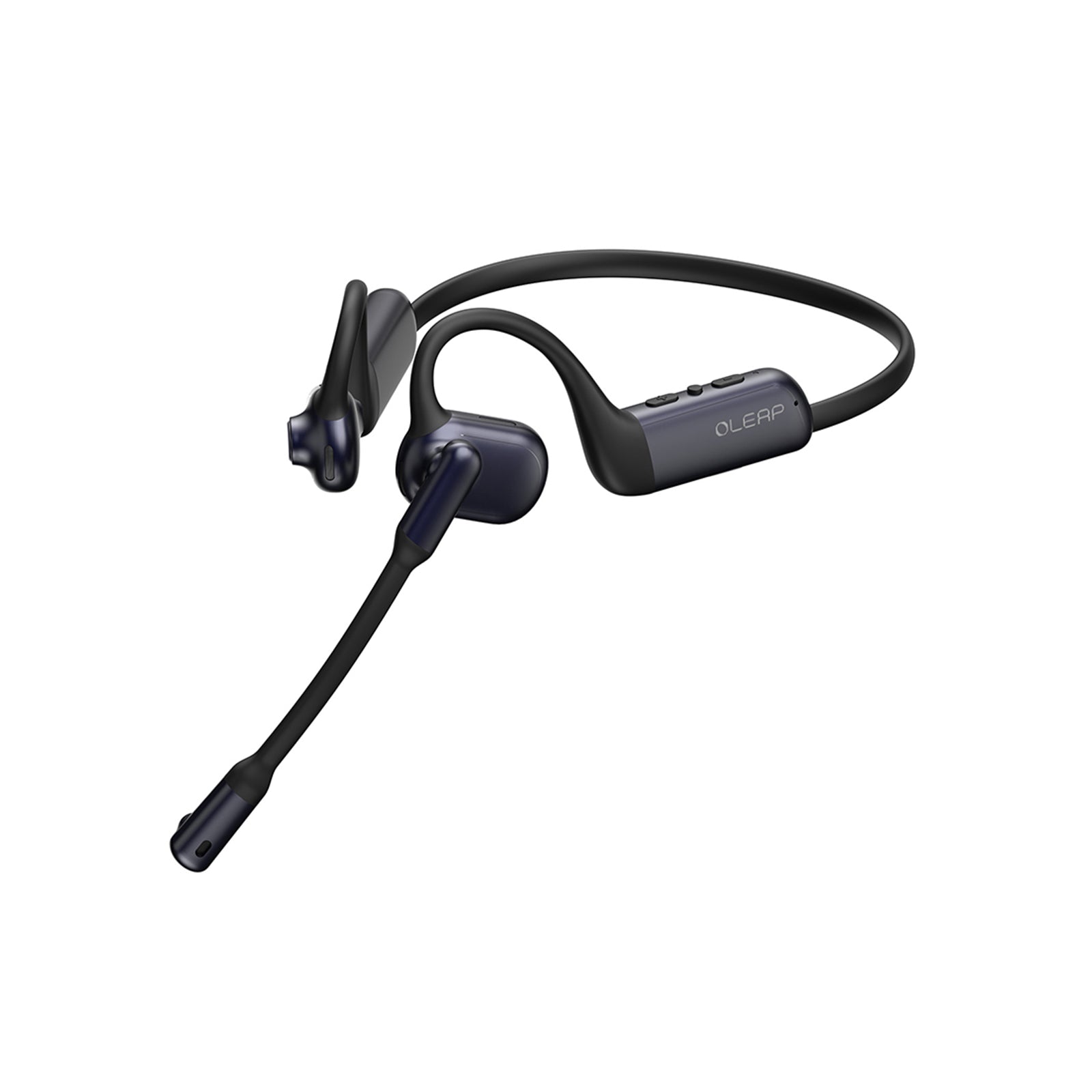
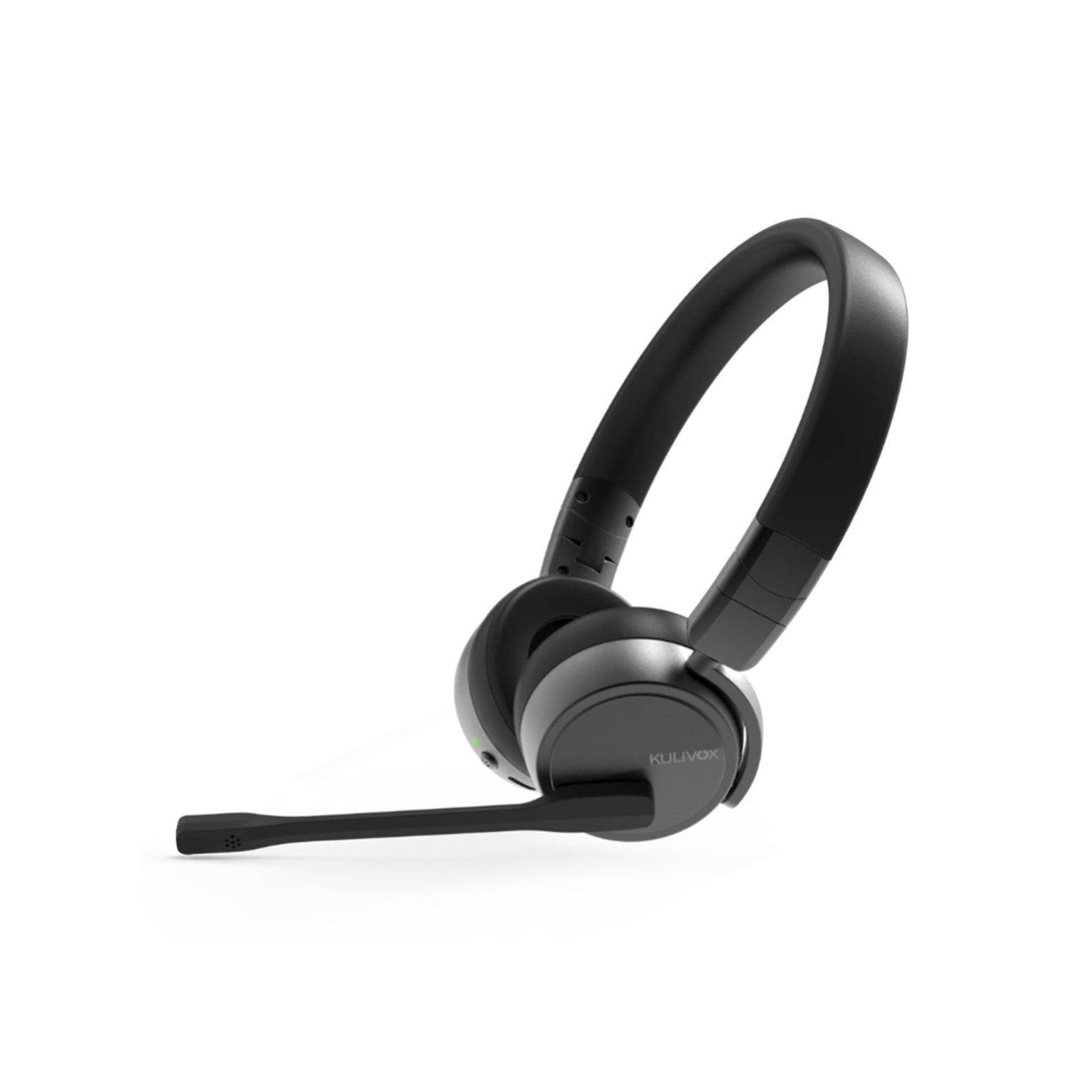
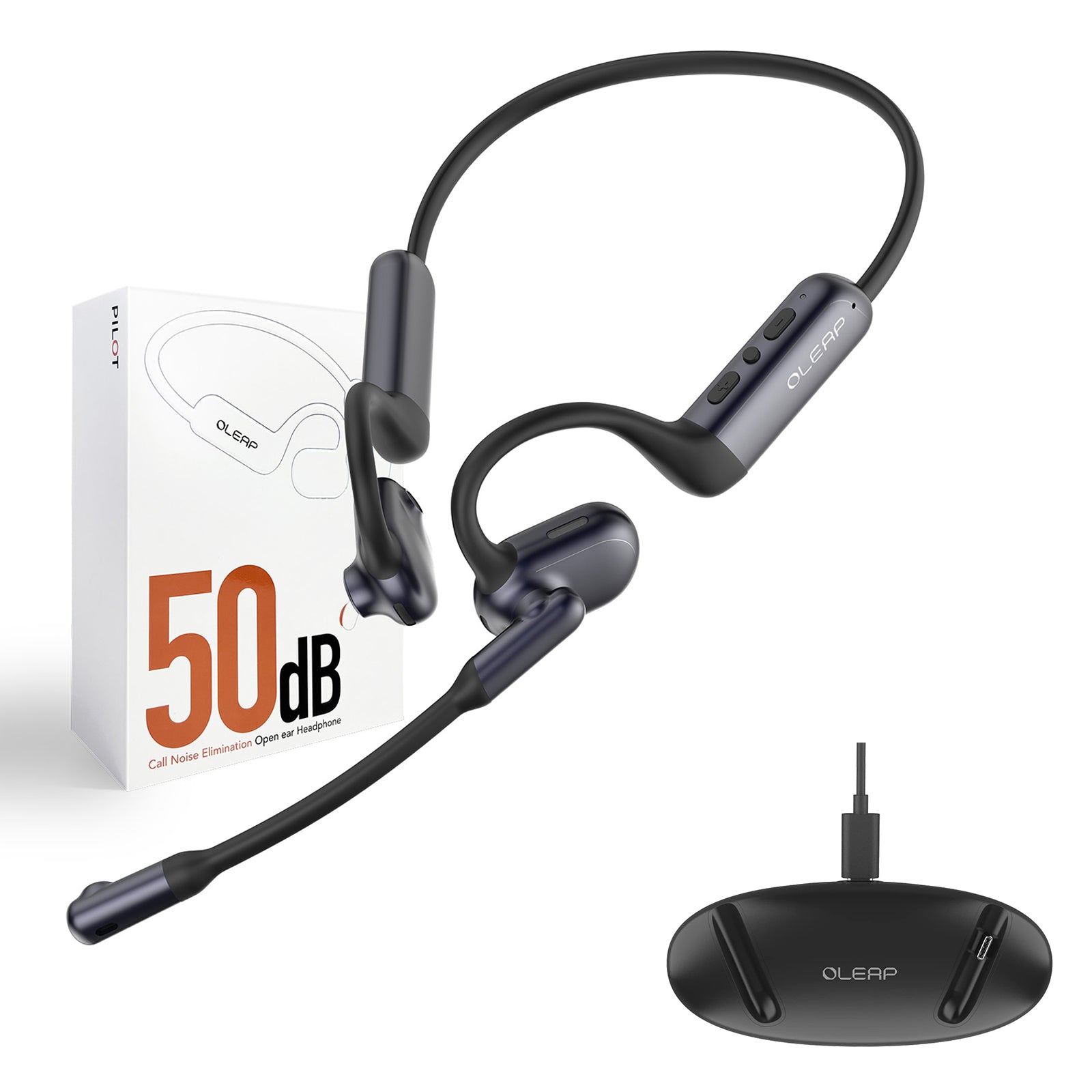
Oleap’s approach to communication audio is built around this exact distinction: hearing versus capturing.
Instead of treating all sound equally, Oleap headsets are designed to prioritize voice isolation — ensuring that speech remains clear, stable, and intelligible even in complex, noisy environments. Through advanced Environmental Noise Cancellation and voice-focused acoustic processing, Oleap helps microphones do what human ears do naturally: focus on what matters.
The result isn’t just better calls.
It’s less repetition, less fatigue, and fewer misunderstandings — whether you’re speaking to another person or to an AI system.
Because in modern communication, being heard isn’t enough.
Being clearly captured is what truly matters.