
Many people assume that if a pair of headphones is labeled “noise-canceling,” their calls will automatically sound clearer. After all, if background noise disappears for you, shouldn’t it disappear for everyone else as well?
In practice, this is one of the most common misunderstandings in modern audio technology.
Noise cancellation does not always mean better communication — and this is why so many people still struggle with poor call quality, even when using high-end ANC headphones.
The Assumption: ANC Equals Clear Calls
Active Noise Cancellation (ANC) has become a familiar feature in consumer headphones. It works by reducing ambient sounds around the listener, making music, podcasts, or videos easier to hear in noisy environments.
Because ANC improves the listening experience so dramatically, it’s natural for users to assume it improves speaking quality as well. But this assumption overlooks a critical distinction in how audio systems work.
ANC is designed to improve what you hear — not what others hear from you.
Listening vs. Speaking: Two Very Different Challenges
Clear calls depend on audio input, not output. In other words, call quality is defined far more by the microphone than by the speaker.
While ANC operates on the playback side, it does little to address the problem of capturing your voice clearly when background noise is present. During calls, the microphone must compete with surrounding sounds such as conversations, appliances, traffic, or echoes in the room.
If the microphone cannot distinguish your voice from the environment, no amount of listening-side noise cancellation will fix the problem.
This is why many people experience a frustrating mismatch:
They hear others perfectly — yet are told they sound distant, muffled, or unclear.
Why Noise-Canceling Headphones Often Fail on Calls
Most consumer ANC headphones are optimized for entertainment. Their microphones are designed for basic voice pickup, not for isolating speech in complex acoustic environments.
In real-world scenarios — working from home, joining meetings from cafés, or taking calls on the move — background noise constantly interferes with voice capture. ANC may reduce what you hear, but your voice still reaches the other side mixed with everything around you.
As a result, calls require repetition, concentration, and extra effort — turning communication into a tiring experience rather than a seamless one.
What Actually Improves Call Clarity
For professional communication, the key is not silence, but selectivity.
Environmental Noise Cancellation (ENC) focuses on the microphone side of the equation. Instead of suppressing all sound equally, ENC prioritizes human speech and reduces environmental noise before the audio is transmitted.
This voice-first approach ensures that what reaches the listener — or an AI transcription system — is stable, intelligible speech rather than a blend of competing sounds.
In short, clear calls depend on how well your voice is captured, not how quiet your surroundings feel to you.
Rethinking What “Noise Cancellation” Means for Work
As work becomes increasingly remote and mobile, understanding this distinction matters more than ever. Meetings, client calls, and collaborative discussions rely on clear voice transmission, not just comfortable listening.
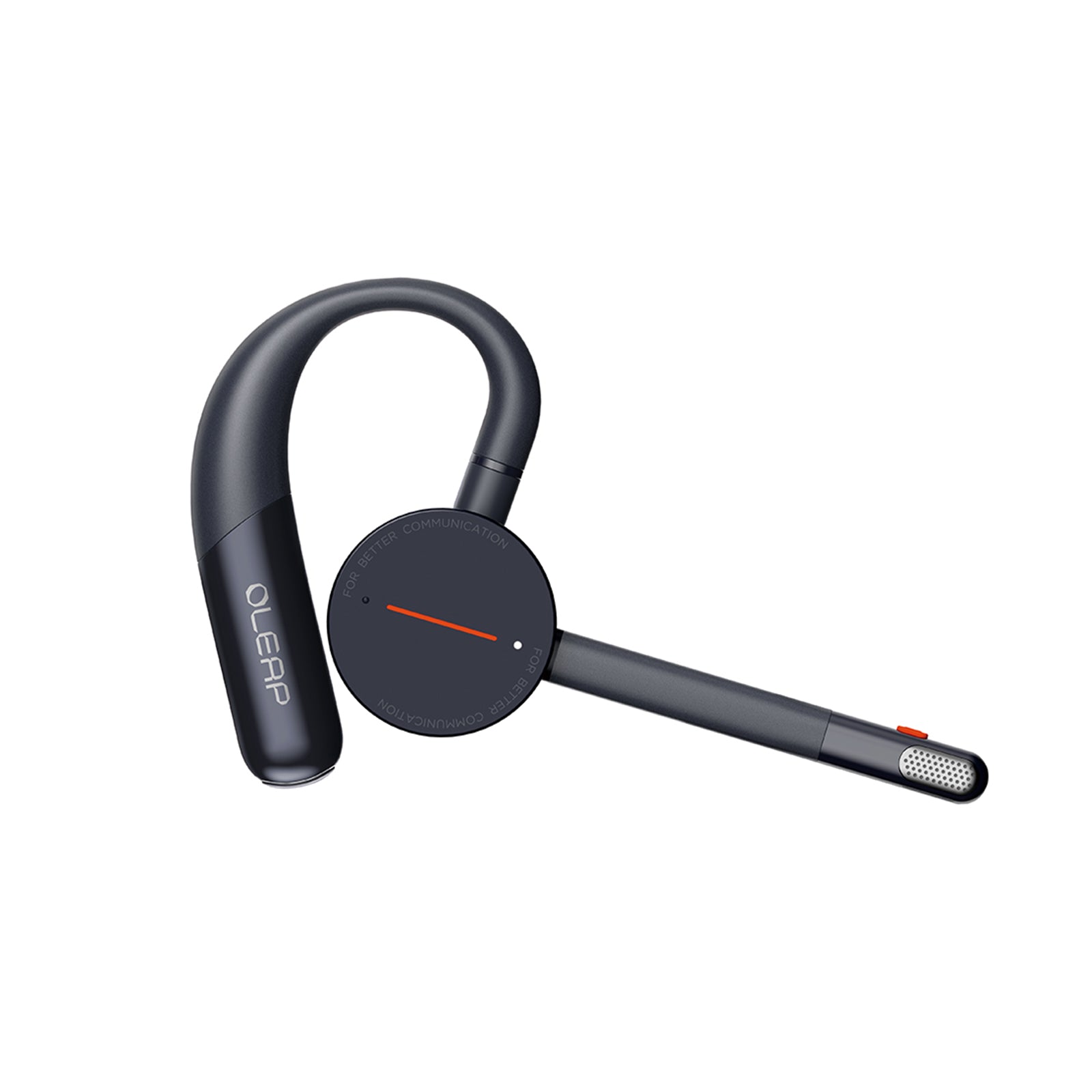
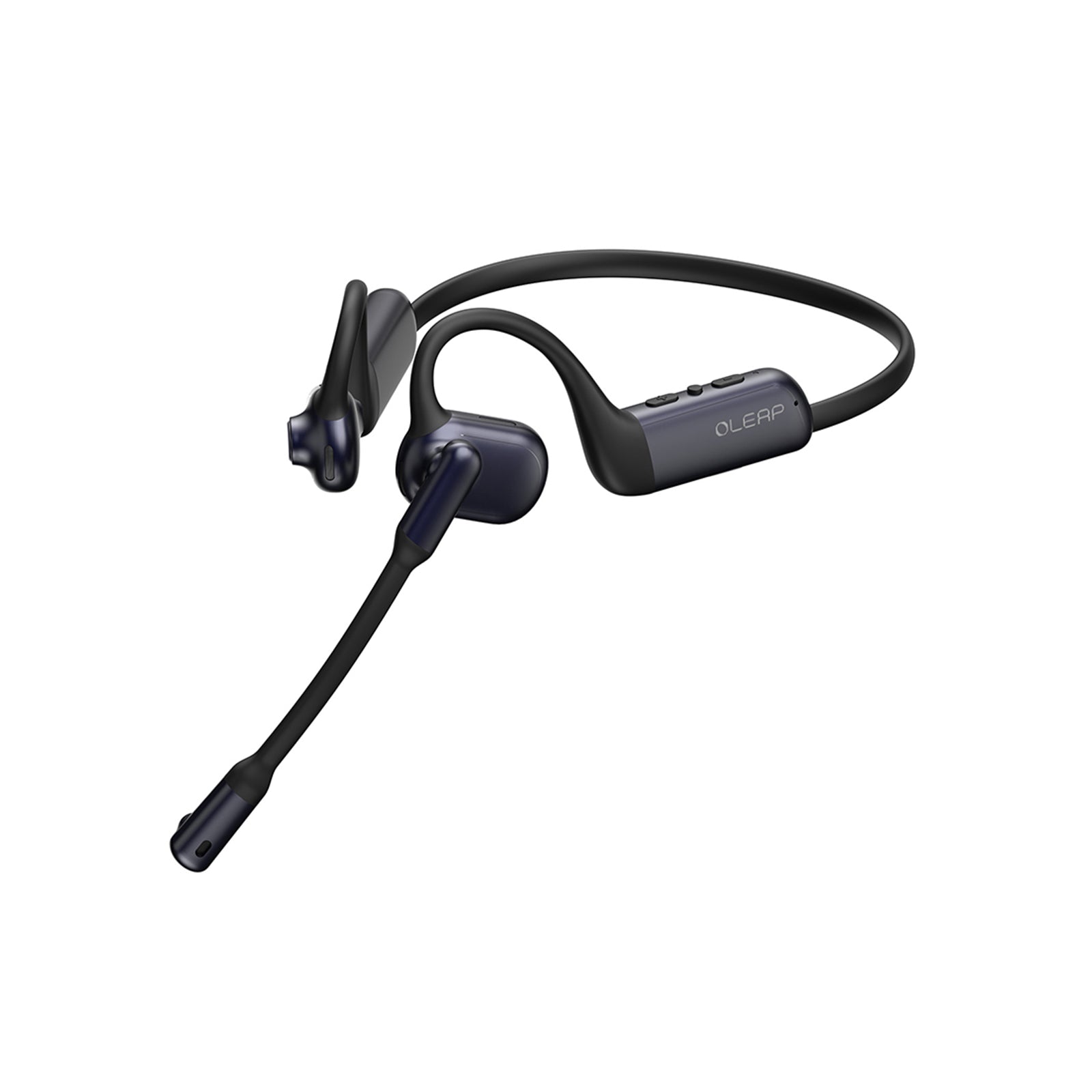
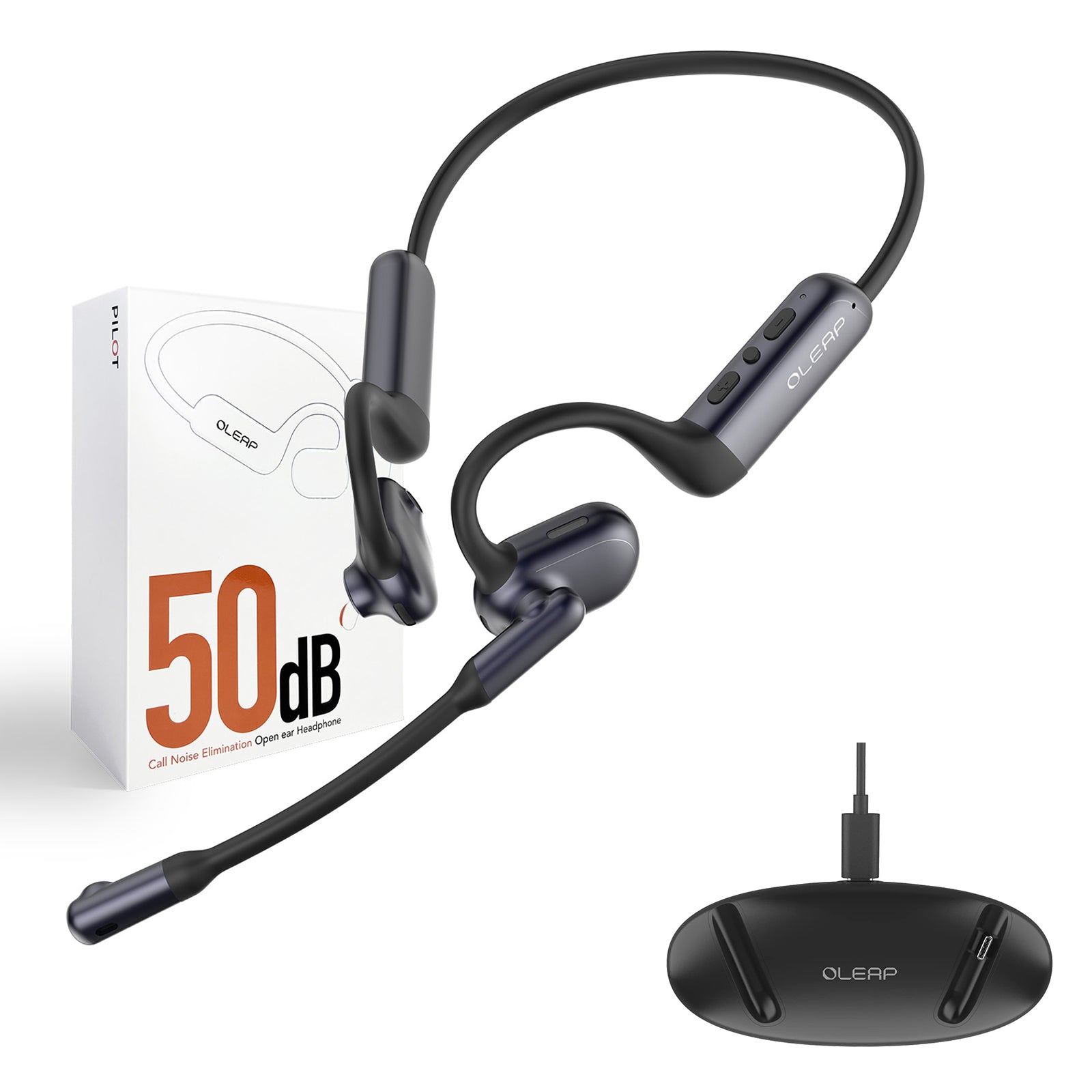
This is where brands like Oleap approach audio differently. Instead of treating noise as a playback problem, Oleap designs work-focused headsets around voice isolation and Environmental Noise Cancellation — ensuring that speech remains clear even in unpredictable environments.
Because when communication matters, being clearly heard is not a bonus feature.
It’s the foundation of effective work.