
When choosing a headset for customer service, remote work, or daily business calls, one important question often gets overlooked: Should you choose a mono or stereo headset?
Both options can provide clear communication, but they are designed for different working environments and user preferences.
Understanding the differences can help you choose a headset that keeps conversations clear, supports all-day comfort, and fits your workflow.
What Is a Mono Headset?
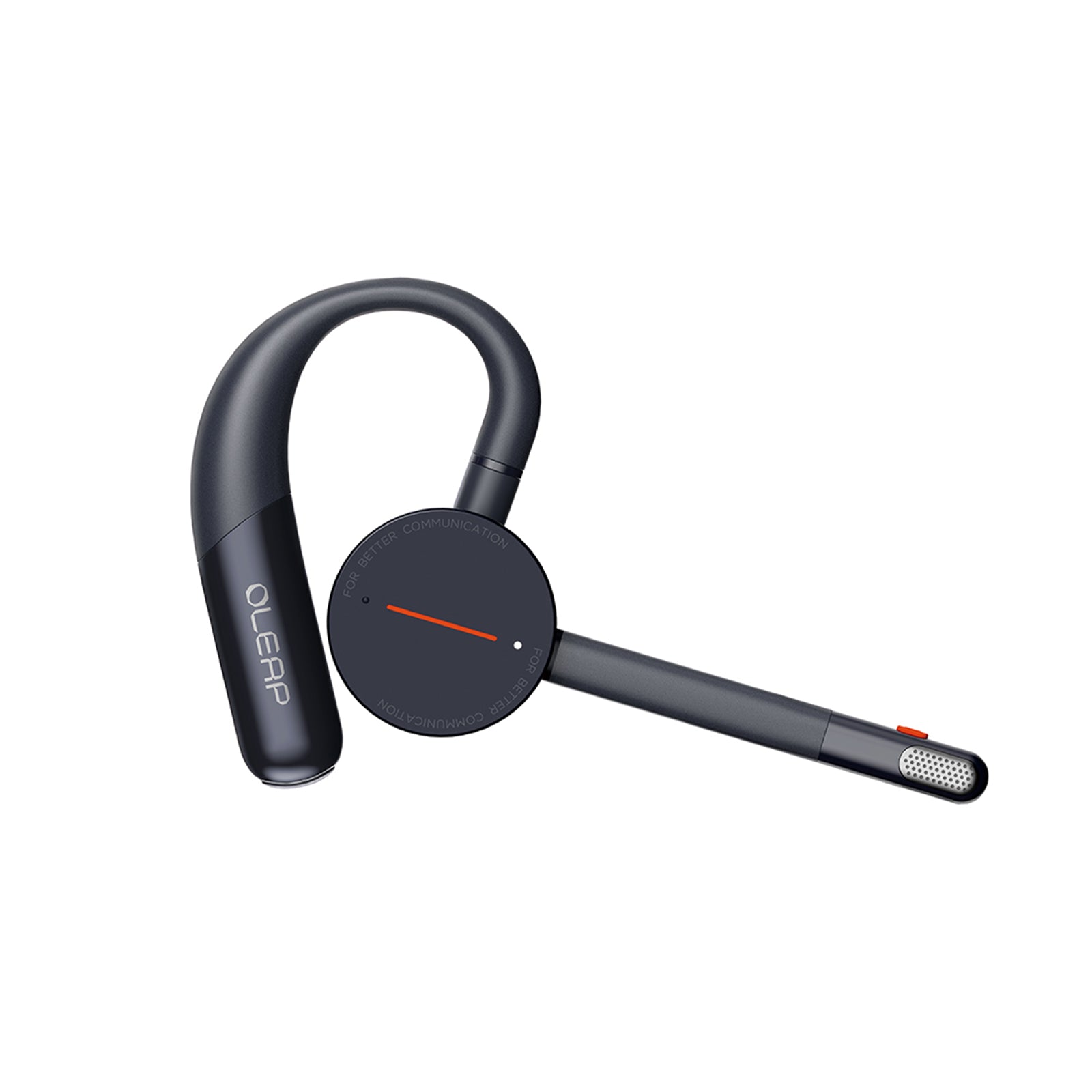
A mono headset has a single earpiece, leaving your other ear uncovered.
This design is especially popular in call centers, reception areas, and customer service environments where employees need to communicate with customers while remaining aware of their surroundings.
Benefits of mono headsets:
-
Greater environmental awareness: Hear coworkers and workplace announcements without removing your headset.
-
Lightweight design: A single-ear structure can feel less restrictive during long shifts.
-
Easy workplace communication: Talk with nearby colleagues while staying connected to calls.
Mono headsets are particularly useful when employees frequently switch between phone conversations and face-to-face communication.
However, in very noisy offices, hearing surrounding conversations through the uncovered ear may make it harder to concentrate.
What Is a Stereo Headset?
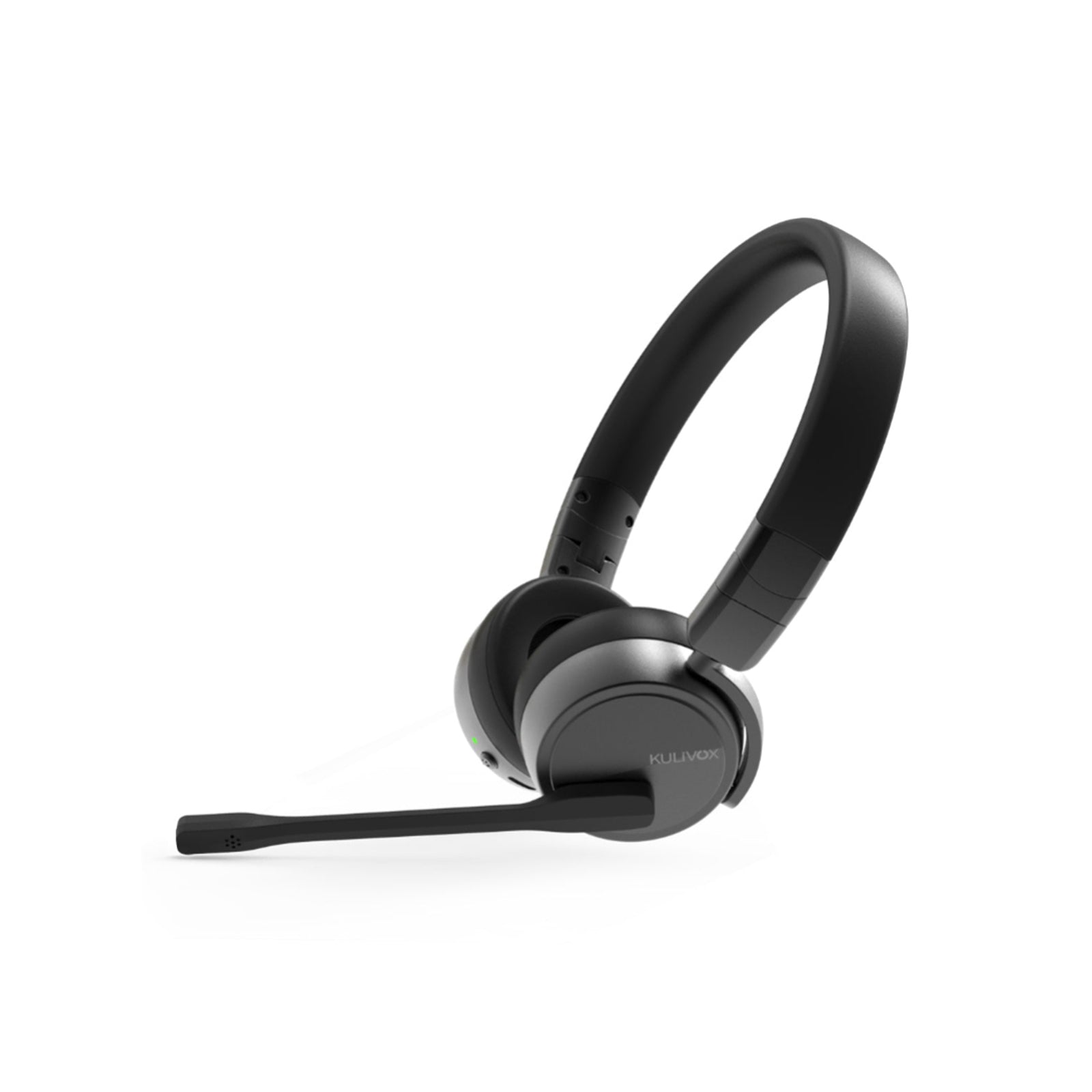
A stereo headset features two earpieces, covering both ears.
This design is often preferred by professionals who spend hours handling calls, attending online meetings, or working in busy environments.
Benefits of stereo headsets:
-
Better focus: Covering both ears can reduce distractions from surrounding conversations.
-
Consistent listening experience: Hear call audio through both ears.
-
Ideal for dedicated workstations: Suitable for customer support, online meetings, and remote work.
For employees working in crowded offices, a stereo headset can make it easier to stay focused on the conversation.
However, users who need to hear colleagues frequently may prefer a single-ear design.
Which Headset Is Better for Customer Service?
The answer depends on your working environment.
| Working Environment | Recommended Type |
|---|---|
| Reception desks | Mono headset |
| Customer service teams in busy offices | Stereo headset |
| Employees who frequently talk to coworkers | Mono headset |
| Dedicated call center workstations | Stereo headset |
| Quiet home offices | Either type |
| Online meetings and training | Stereo headset |
Neither design is universally better. The most important factors are comfort, microphone quality, and how well the headset fits your daily tasks.
Why Microphone Noise Cancellation Matters More Than You Think
Whether you choose mono or stereo, microphone noise cancellation is essential for professional communication.
In a busy call center, dozens of employees may be speaking simultaneously.
Without effective noise suppression, your microphone can pick up nearby conversations, keyboard sounds, and other office noise.
This can make it difficult for customers to understand what you're saying.
Environmental Noise Cancellation (ENC) technology helps reduce unwanted background noise captured by the microphone, improving speech clarity for the person on the other end of the call.
Remember, wearing two earpieces doesn't automatically mean your microphone will cancel more background noise.
The microphone system and noise-processing technology matter just as much as the headset design.
Oleap C200U and C201U: Two Options for Professional Communication
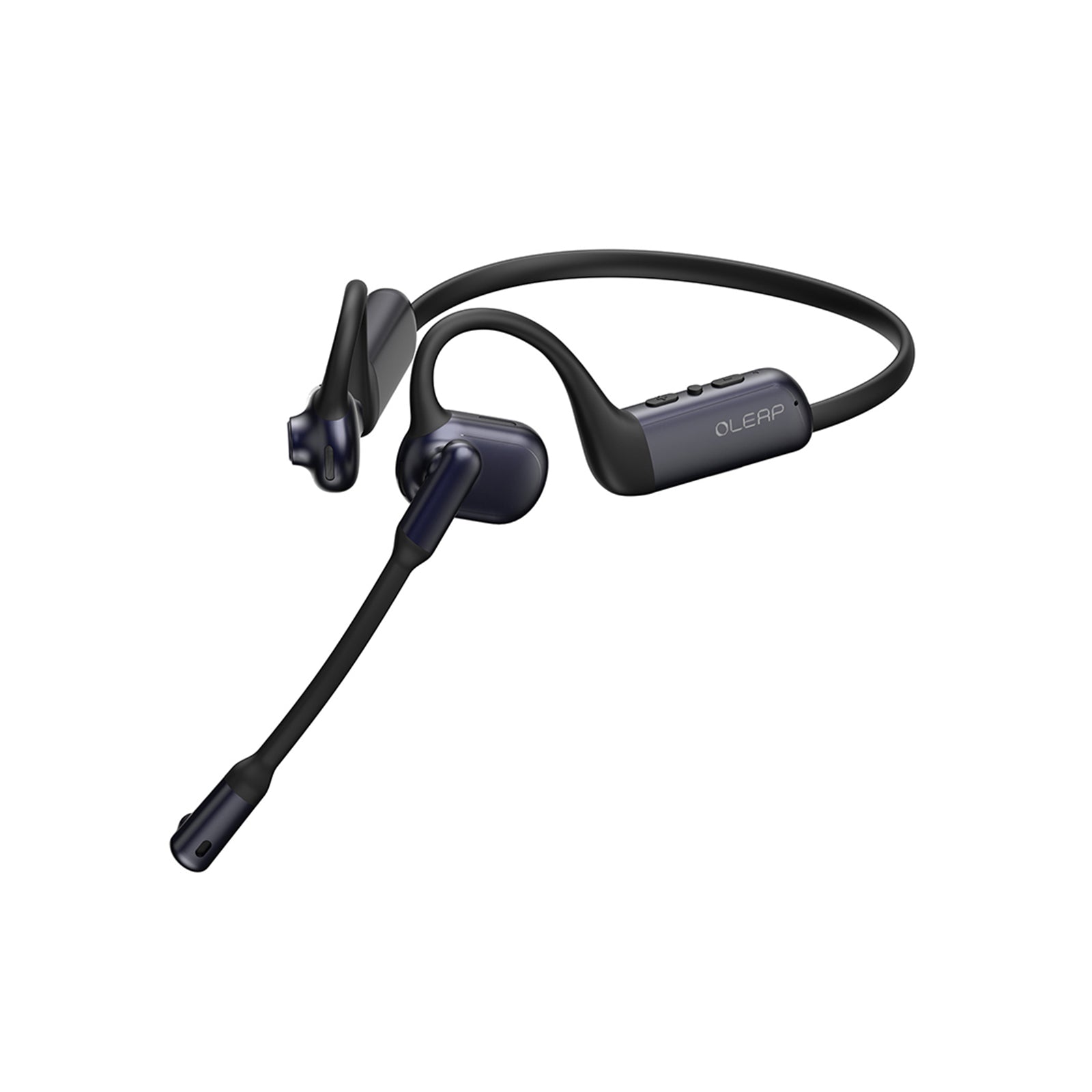
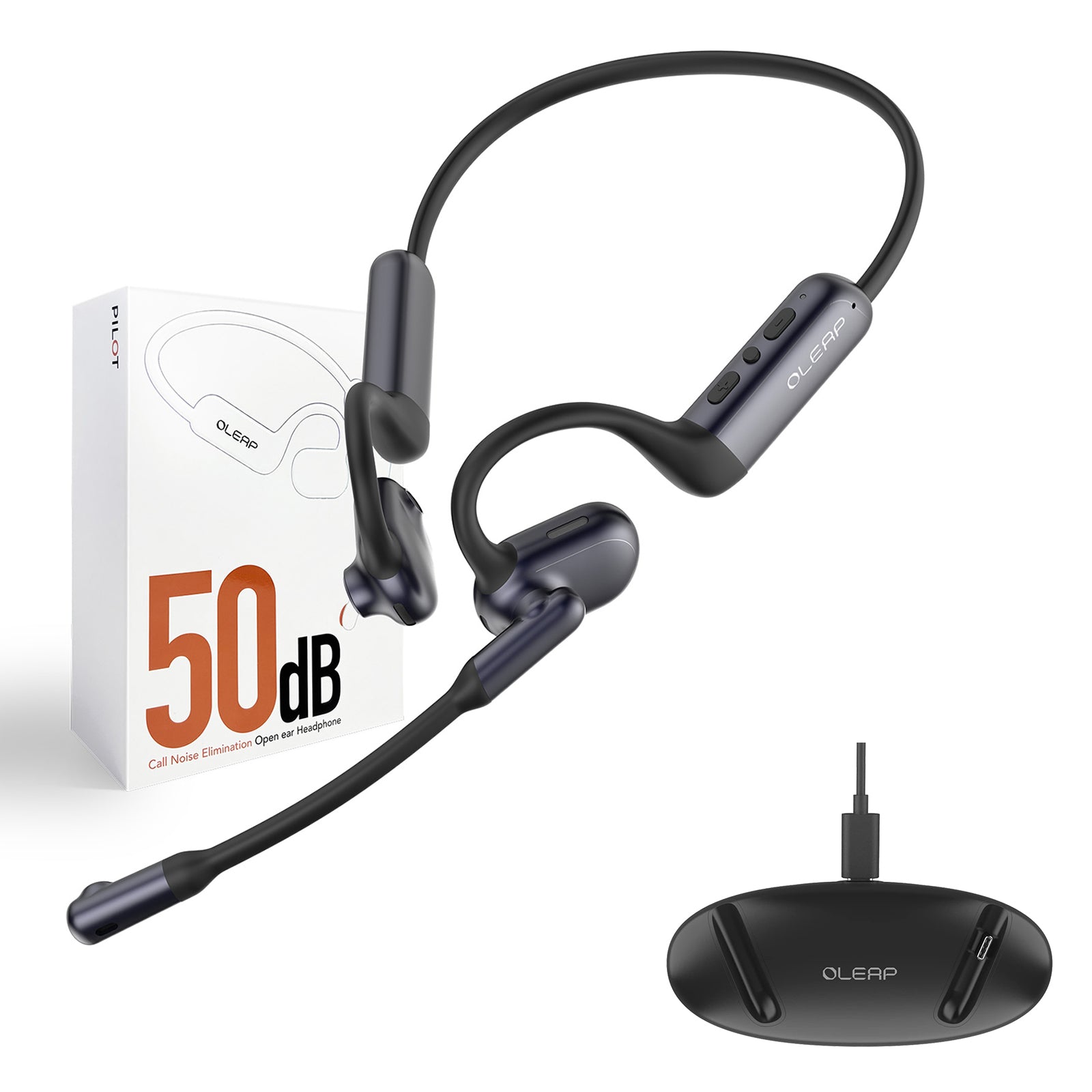
Oleap offers wired communication headsets designed for different workplace needs.
Oleap C200U — For Focused Communication
The Oleap C200U features a dual-ear design suitable for customer service representatives, remote workers, and professionals who spend significant time on calls.
With dual-microphone noise reduction technology, an adjustable microphone boom, and USB connectivity, it is designed to support clear communication in busy working environments.
Its stereo design makes it a practical choice for employees who prefer listening through both ears.
Oleap C201U — For Flexible Customer Service
The Oleap C201U features a single-ear design, making it suitable for receptionists, call center employees, and professionals who need to remain aware of their surroundings.
It combines microphone noise reduction with an adjustable boom microphone and convenient inline controls for everyday call management.
Both models offer wired connectivity options for compatible work devices, helping teams build reliable communication setups without relying on wireless battery life.
Frequently Asked Questions
Is a mono or stereo headset better for an eight-hour shift?
Both can work well for long shifts. A mono headset keeps one ear open, while a stereo headset can help reduce listening distractions. Fit, weight, ear-cushion comfort, and personal preference are equally important.
Do stereo headsets have better microphones?
Not necessarily. Microphone quality depends on the microphone design, placement, and noise-processing technology rather than the number of earpieces.
Are USB headsets good for call centers?
Yes. USB headsets are a practical option for computer-based calling systems because they offer wired connectivity and generally straightforward setup. Compatibility should always be checked with your devices and calling software.
Final Thoughts
Choosing between a mono and stereo headset isn't about finding one universal winner. It's about selecting the right tool for your working environment.
If staying connected to coworkers is important, a mono headset may be the better option.
If your work requires greater focus during continuous calls, a stereo headset may be more suitable.
Clear communication starts with the right headset.
Explore Oleap C200U and C201U to find a communication solution that fits your team.