
In business, trust is often discussed in terms of pricing, proposals, and contracts. But long before any document is signed, trust has already begun to form — or quietly erode.
More often than not, that process starts with a single moment: the first call.
Whether it’s a sales introduction, a partnership discussion, a customer support conversation, or an investor briefing, the first voice interaction sets the tone for everything that follows. And in these moments, clarity is not a technical detail. It is a signal.
Stable Audio Is Not a Technical Issue — It’s a Professional One
Many professionals still treat audio quality as a background concern, something handled by software platforms or network conditions. When a call sounds unclear, the instinctive reaction is to blame Wi-Fi, conferencing tools, or temporary interference.
But from the listener’s perspective, the cause doesn’t matter.
What they experience is hesitation, repetition, broken sentences, or background noise competing with your voice. And subconsciously, that friction affects perception. If communication feels unstable, professionalism feels unstable too.
In high-stakes conversations, unstable audio introduces doubt:
• Is this person fully prepared?
• Is this team reliable?
• Will future collaboration feel equally difficult?
These questions arise quietly — but they matter.
Why Sound Stability Builds Trust
Clear, consistent audio does more than improve understanding. It creates psychological ease.
When your voice is steady and isolated, the listener can focus entirely on what you are saying, rather than how hard it is to hear you. This reduces cognitive load and allows the conversation to flow naturally — closer to the experience of speaking face to face.
That sense of ease translates into trust.
Not because of what you promise, but because of how effortlessly the conversation unfolds.
For sales professionals, it supports credibility.
For BD teams, it reinforces confidence.
For customer service, it conveys care and attentiveness.
Sound stability is not about perfection. It is about removing unnecessary friction from human interaction.
Real-World Conversations Are Never Quiet
Modern work rarely happens in controlled environments. Calls are taken from open offices, shared workspaces, home offices with background activity, cafés between meetings, or while commuting.
In these conditions, environmental noise becomes the hidden variable in professional communication. Competing voices, keyboard sounds, traffic, or ambient movement can quickly dilute speech — even when the speaker is articulate and well-prepared.
This is where hardware matters.
Designed for Trust-Critical Conversations
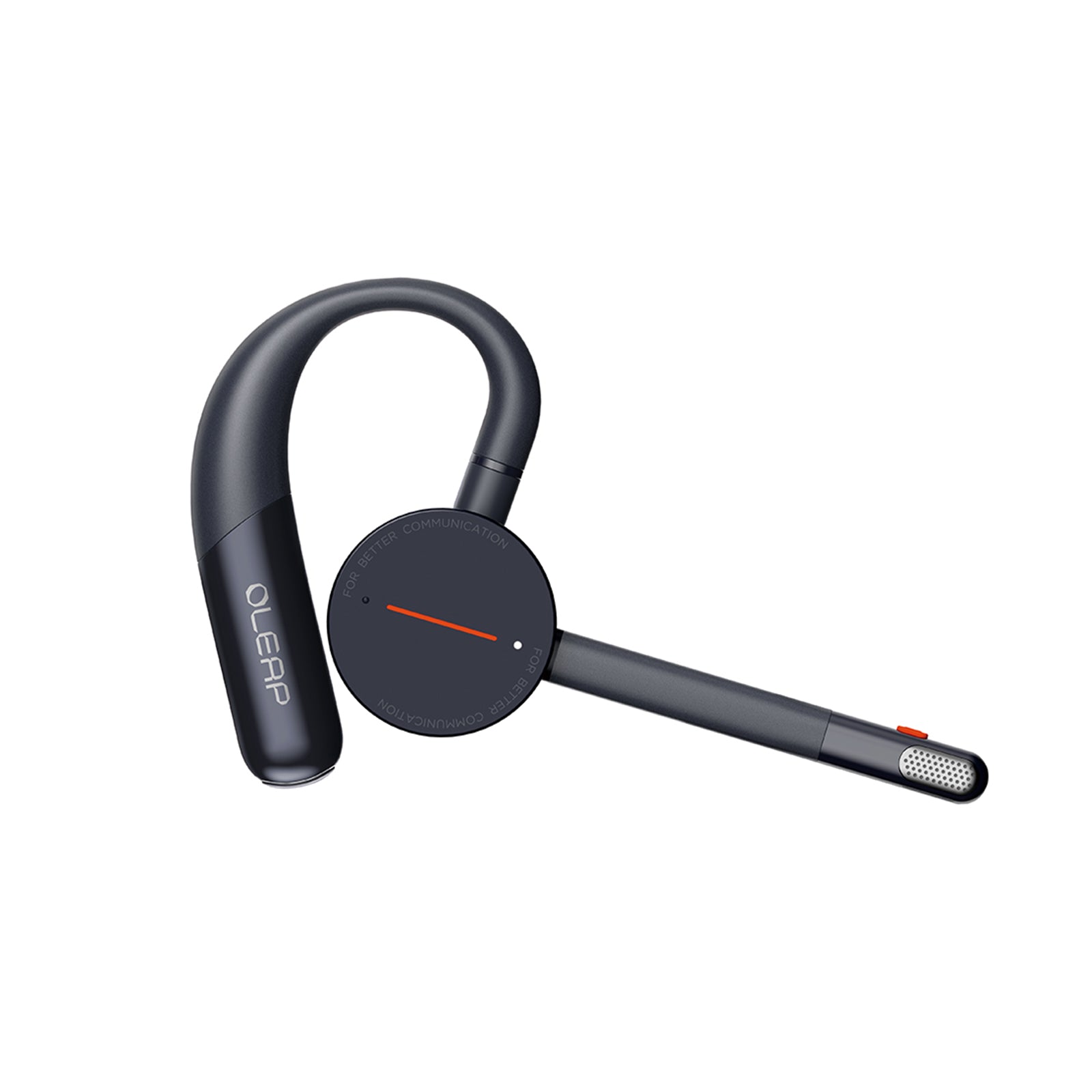
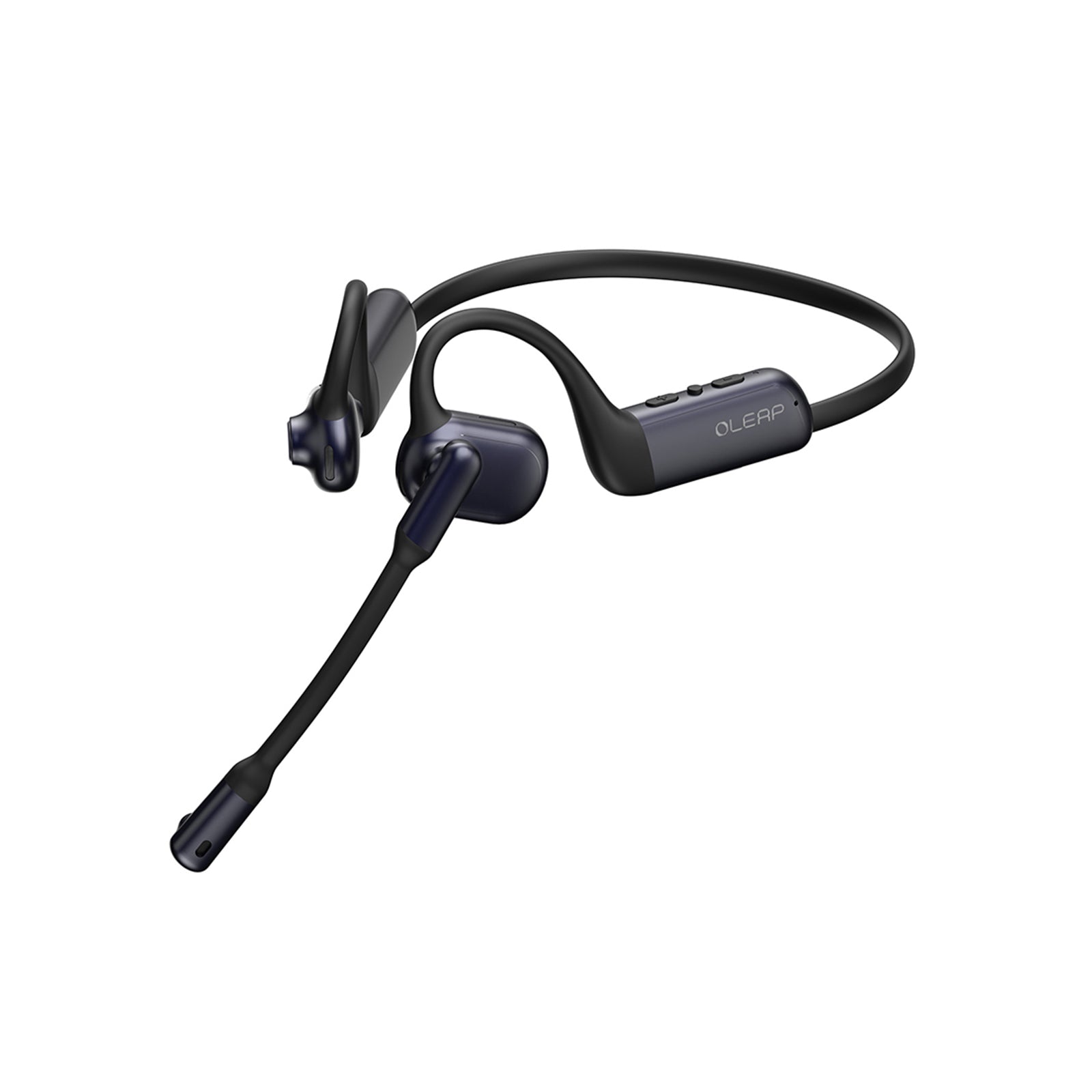
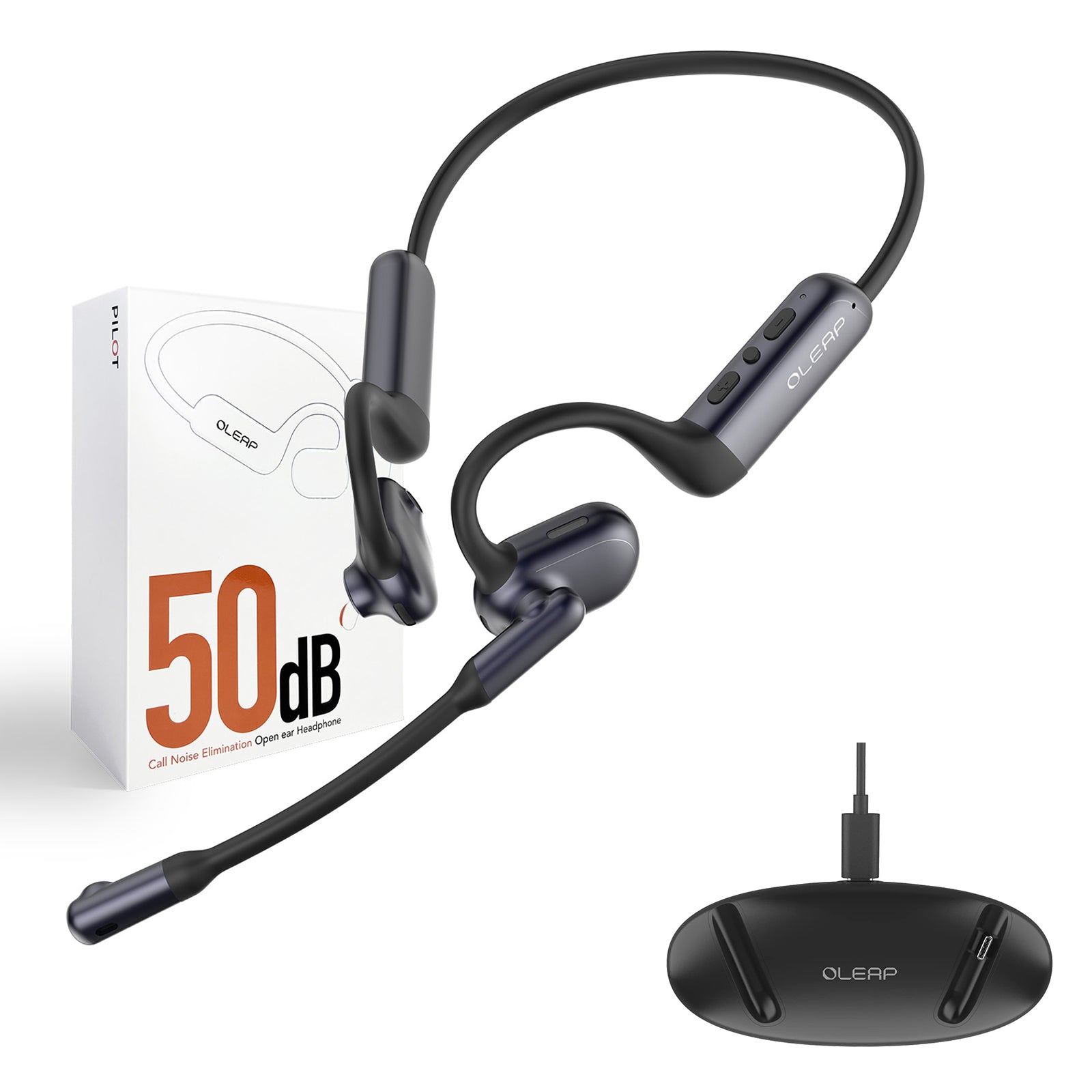
Oleap’s communication devices, including Oleap Archer and P200b Pro, are built around a simple idea: your voice should remain clear regardless of where you work.
Through advanced Environmental Noise Cancellation and voice isolation, background sounds are suppressed while speech remains natural and consistent. This allows professionals to sound composed and focused even in unpredictable environments.
The result is not just better call quality, but better presence.
Your voice arrives cleanly, without distraction — and that clarity supports trust from the very first interaction.
With additional support for AI-powered transcription and multilingual communication, conversations are also captured accurately for follow-up, compliance, or internal alignment. What is said is not only heard clearly, but recorded reliably.
Trust Is Built Before It Is Signed
By the time contracts are exchanged, trust has often already been decided.
It forms in the early conversations — when expectations are set, questions are answered, and relationships begin to take shape. In those moments, sound quality is not a detail in the background. It is part of the experience you deliver.
Clear audio communicates confidence.
Stable sound communicates reliability.
And effortless conversations communicate professionalism.
Customer trust doesn’t begin with a signature.
It begins with a voice that can be clearly heard.