
Noise cancellation has been part of audio technology for decades.
But if you’ve ever used a pair of “noise-canceling” headphones and still been told “Sorry, I can’t hear you clearly” during a call, you’ve already discovered an important truth:
Reducing noise is not the same as delivering clear voice.
Modern communication demands more than silence. It requires precision — especially when human speech needs to be transmitted accurately in complex, real-world environments. This is where Environmental Noise Cancellation (ENC) has evolved far beyond traditional noise reduction.
Early Noise Reduction: Making Things Quieter, Not Clearer
Early noise reduction technologies were designed with listening in mind. Their goal was simple: lower the volume of background sound so users could hear more comfortably.
This approach works reasonably well for steady, predictable noise — such as air-conditioning hum or engine sounds — but it has clear limitations for communication. Human speech is dynamic. It overlaps with other voices, changes in pitch and rhythm, and often exists alongside unpredictable sounds.
When early noise reduction systems attempted to suppress everything except silence, they frequently distorted speech as well. The result was quieter audio, but not necessarily clearer conversations.
The Shift to ENC: Focusing on the Voice, Not the Noise
Modern ENC represents a fundamental shift in philosophy.
Instead of asking, “How do we remove noise?”, ENC asks:
“How do we identify and preserve the human voice?”
This change matters because, in communication, the goal is not silence — it is intelligibility.
ENC systems are designed to work in environments where noise cannot be fully eliminated: cafés, offices, public transport, shared spaces. Rather than flattening all sound, they prioritize speech by separating it from surrounding audio and preserving its natural structure.
This is the difference between simply lowering background volume and ensuring that every word remains understandable to the listener.
Voice Isolation: The Core Idea Behind Clear Calls
At the heart of modern ENC is voice isolation.
Voice isolation focuses on recognizing the unique characteristics of human speech — such as direction, consistency, and vocal patterns — and distinguishing them from environmental sounds. Once speech is isolated, background noise can be reduced without compromising clarity.
Importantly, this process does not aim to create artificial silence. Instead, it maintains the integrity of the speaker’s voice while controlling interference around it.
The result is audio that sounds natural, stable, and intelligible — even in challenging environments.
Why “Just Reducing Noise” Isn’t Enough
Many headsets still rely on basic noise suppression methods. While these can lower overall sound levels, they often fail during real conversations.
Why? Because communication rarely happens in controlled conditions.
Overlapping voices, sudden sounds, movement, and changing environments all confuse systems that are designed only to suppress noise globally. When speech and noise are treated as the same thing, clarity suffers.
True call quality depends on selective processing — reducing what doesn’t matter while protecting what does.
Modern ENC and Real-World Communication
Today’s ENC technologies are built for how people actually work. Meetings happen on the move. Calls are taken between tasks. Conversations unfold in imperfect environments.
By focusing on voice isolation rather than blanket noise reduction, modern ENC enables:
• clearer calls for both sides of the conversation
• fewer interruptions and repetitions
• more reliable AI transcription and meeting summaries
• reduced listening fatigue during long discussions
Clear communication is no longer about finding quiet rooms. It is about having audio technology that understands what needs to be heard.
Bringing Voice Isolation Into Real Work
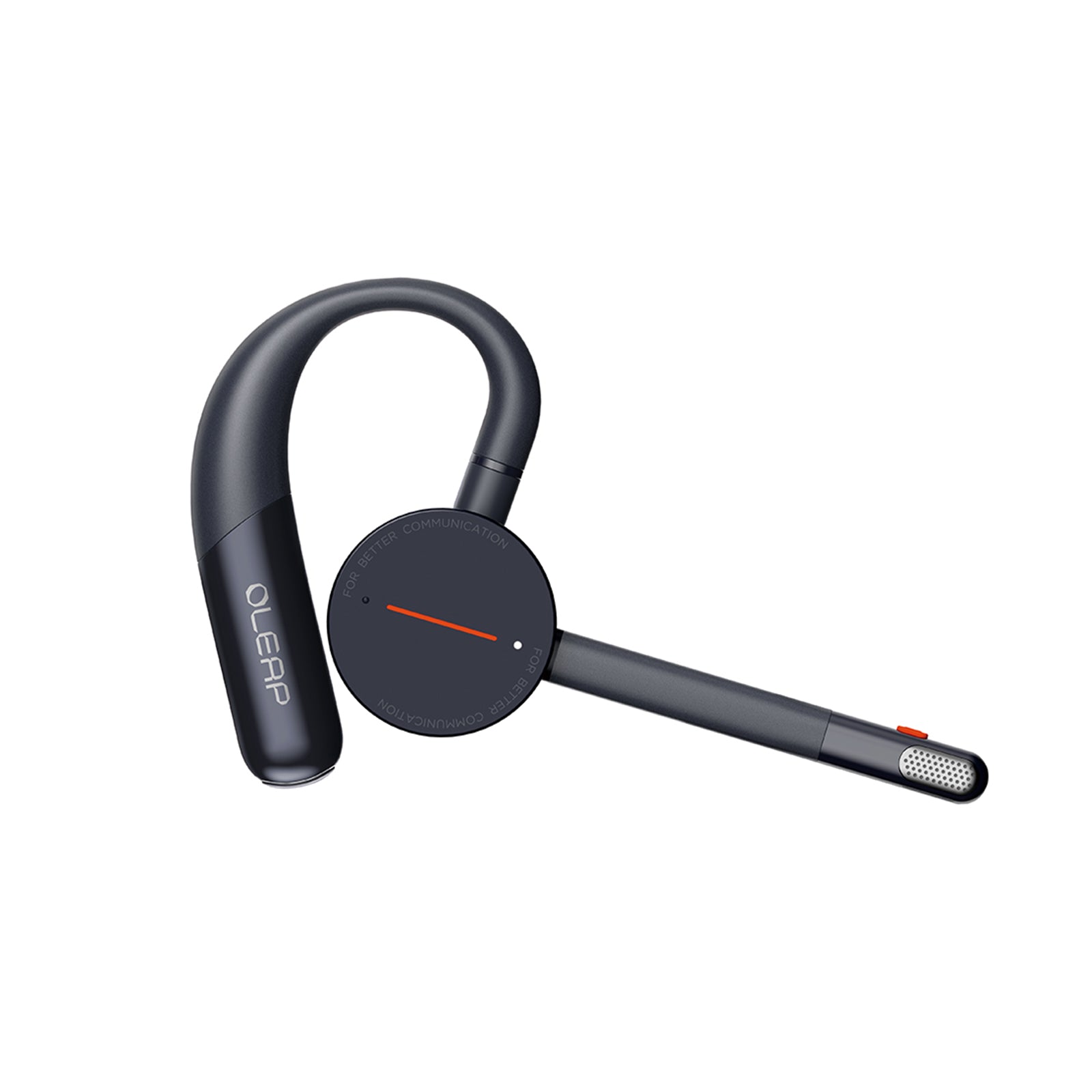
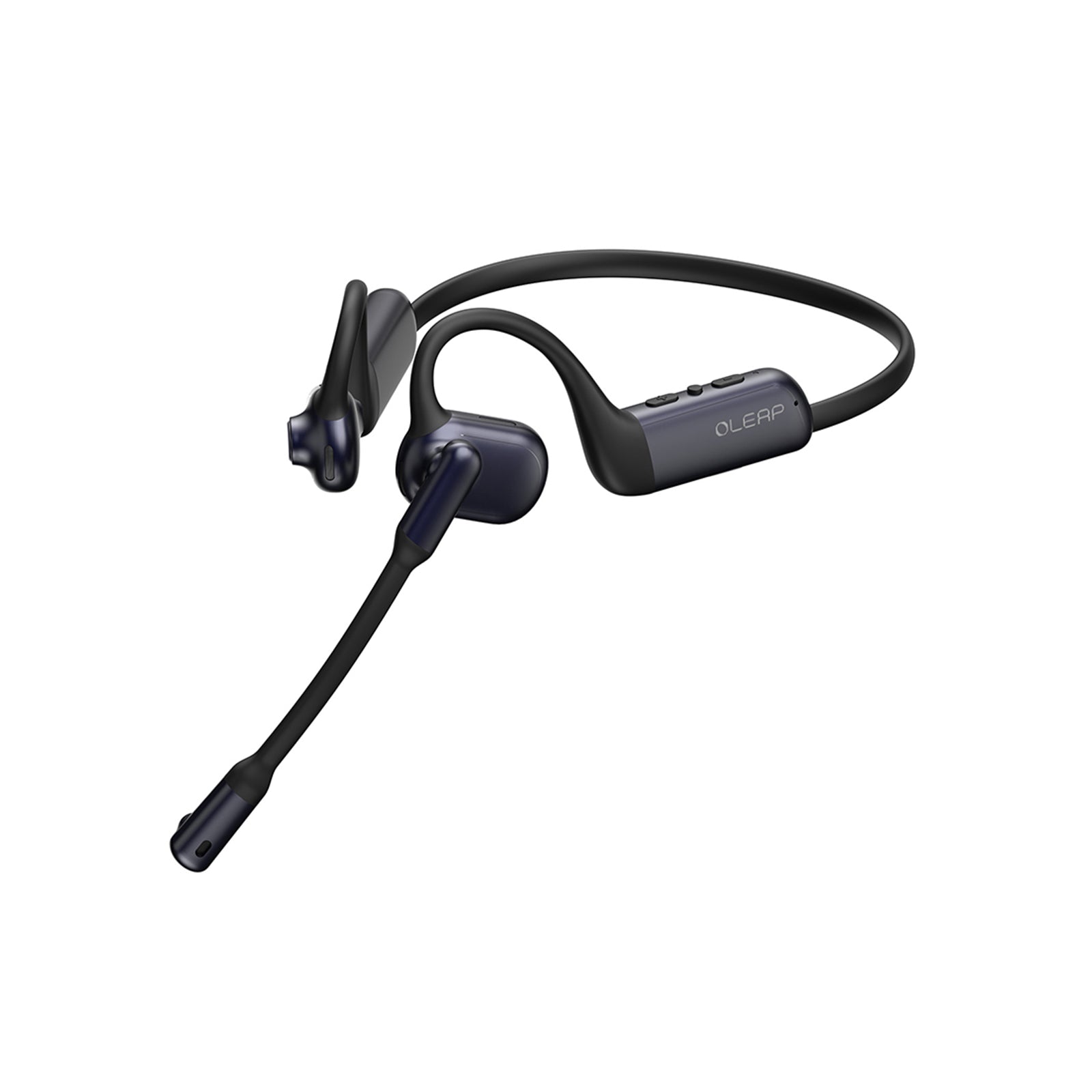
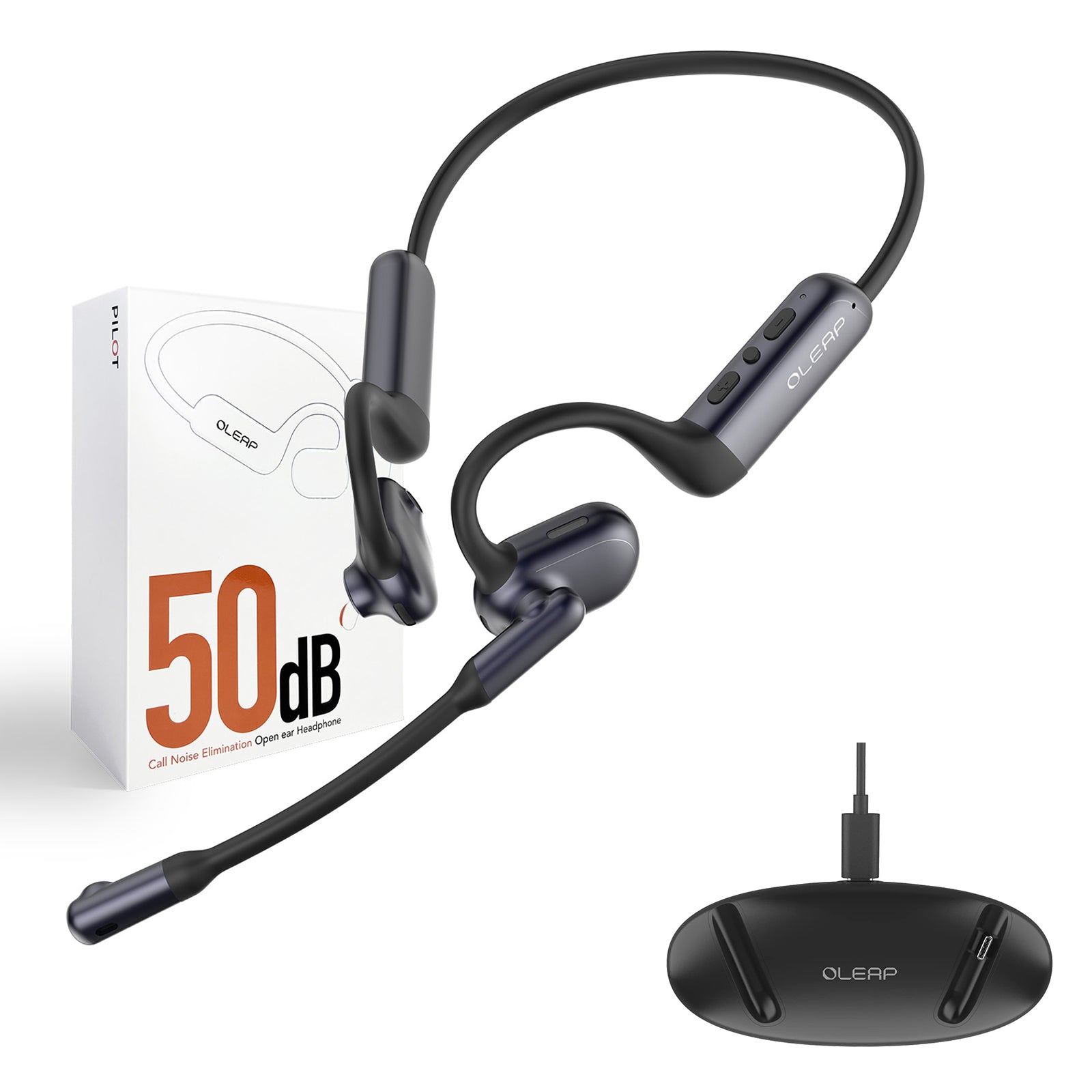
Oleap’s approach to communication audio is built on this modern ENC philosophy. Rather than treating noise as a single problem to suppress, Oleap focuses on isolating the human voice in complex, real-world environments.
Through advanced Environmental Noise Cancellation and voice-first acoustic design, Oleap products are engineered to support clear communication in the situations where it matters most — mobile work, professional calls, online meetings, and AI-assisted workflows.
Because when conversations carry decisions, trust, and outcomes, clarity is no longer just a feature.
It is a foundation.