
When searching for a wireless headset for work, many people end up choosing the same headphones they use for music or entertainment. At first glance, this seems reasonable — good sound quality should mean good calls, right?
In reality, work communication places very different demands on audio equipment. In noisy environments, the difference between a consumer headset and a professional work headset becomes immediately clear.
Work Headsets Are Not Music Headphones
Music headphones are designed to optimize listening experience — rich bass, wide soundstage, immersive playback. Work headsets, on the other hand, are designed around communication.
The priority is not how music sounds to you, but how your voice sounds to others. This distinction becomes critical during meetings, client calls, and remote collaboration, especially when background noise is unavoidable.
This is why choosing a bluetooth headset for work requires a different set of criteria than choosing headphones for entertainment.
Why the Microphone Matters More Than the Speaker
In professional calls, the microphone does most of the work. A powerful speaker means little if your voice is unclear, distorted, or buried under background noise.
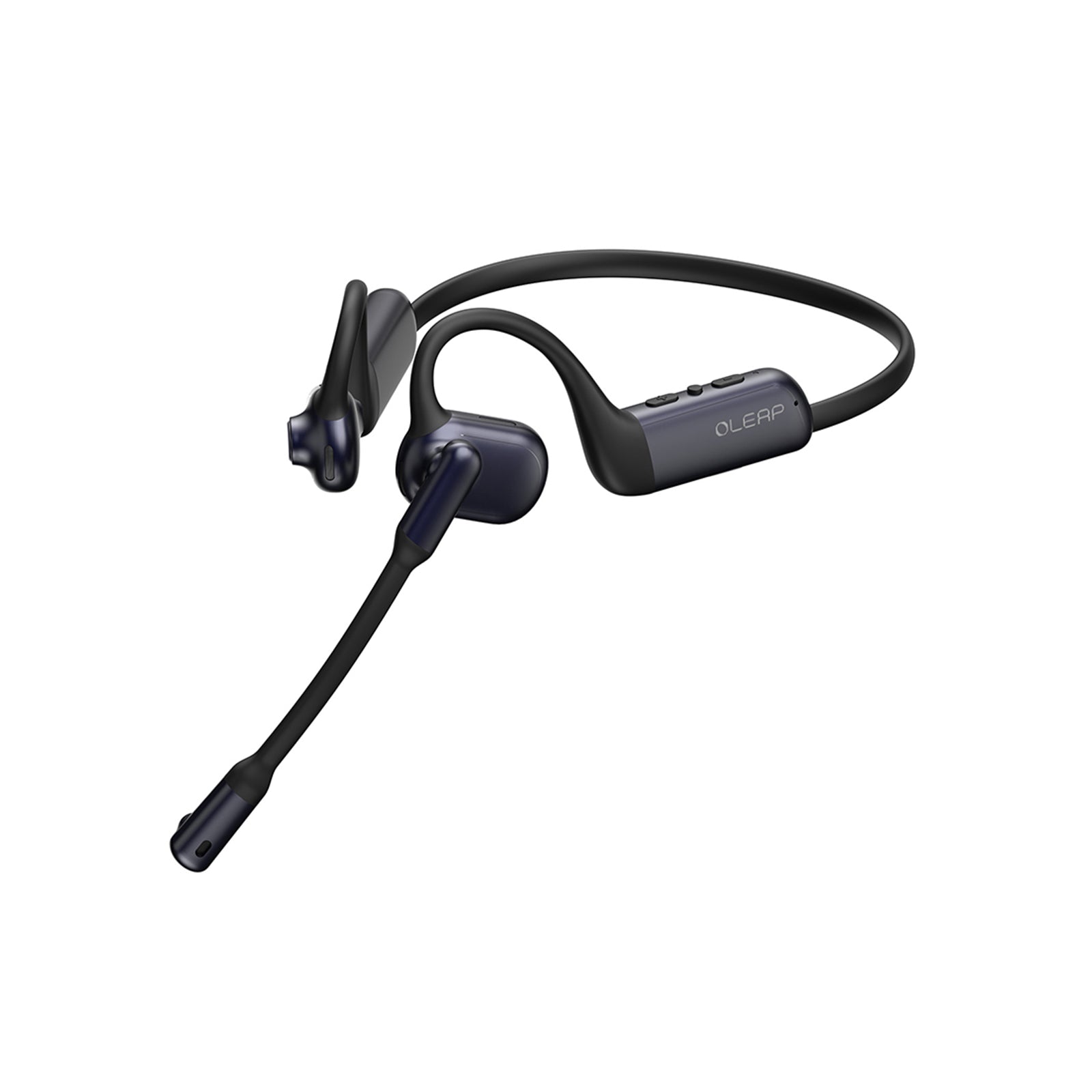
A dedicated work headset with mic focuses on capturing speech accurately and consistently. It isolates your voice from surrounding sounds and maintains stability even when you move, speak softly, or work in shared spaces.
Clear input leads to smoother conversations, fewer interruptions, and less listening fatigue for everyone involved.
ENC vs. ANC: Understanding the Difference
One of the most common misunderstandings is assuming that Active Noise Cancellation (ANC) improves call quality. In fact, ANC primarily affects what you hear, not what others hear from you.
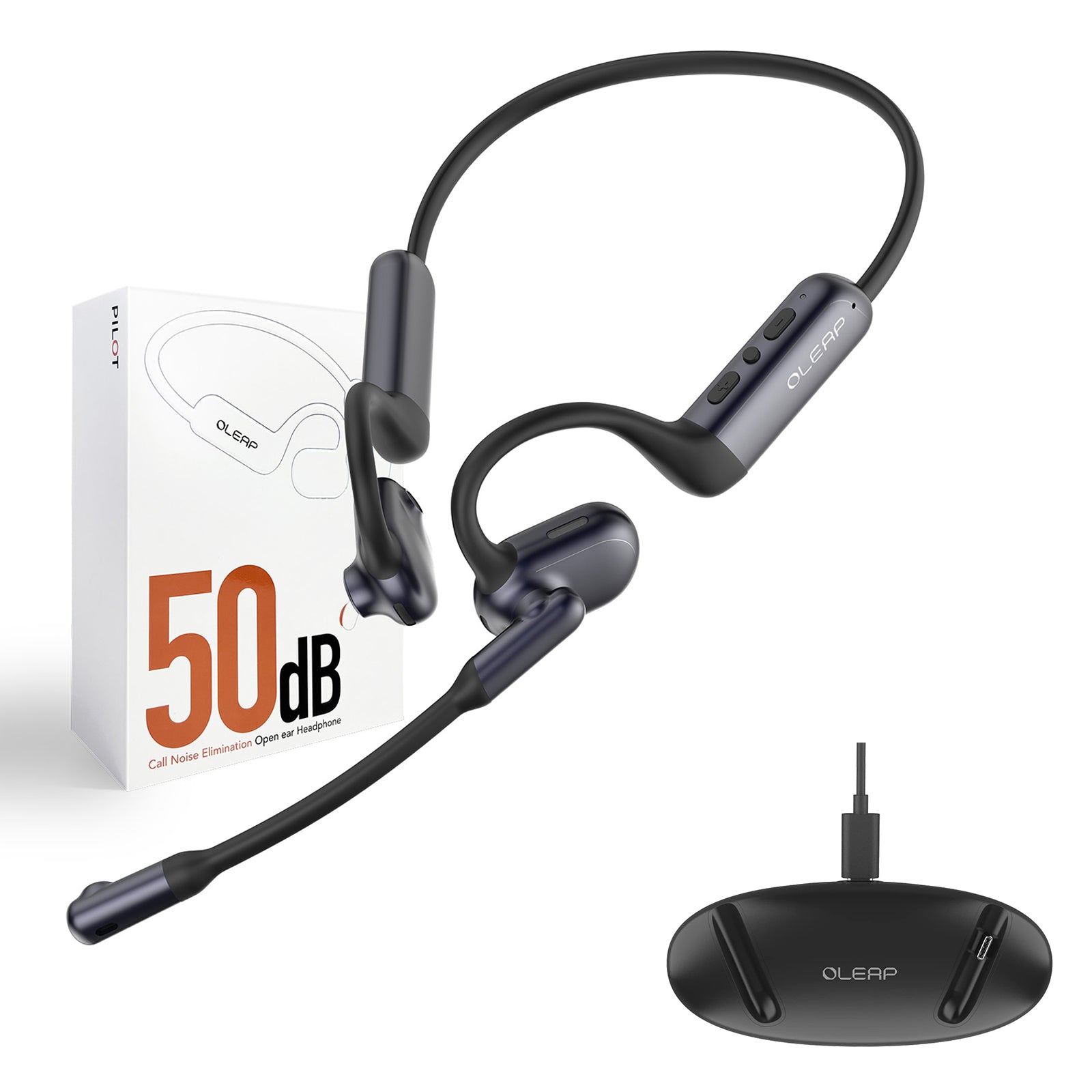
Environmental Noise Cancellation (ENC) is designed specifically for communication. ENC reduces background noise around the microphone and prioritizes human speech, ensuring that your voice remains clear even in noisy environments.
For work scenarios — especially calls taken from home, offices, cafés, or on the move — ENC plays a far more important role than ANC.
Single-Ear or Dual-Ear: Which Is Better for Work?
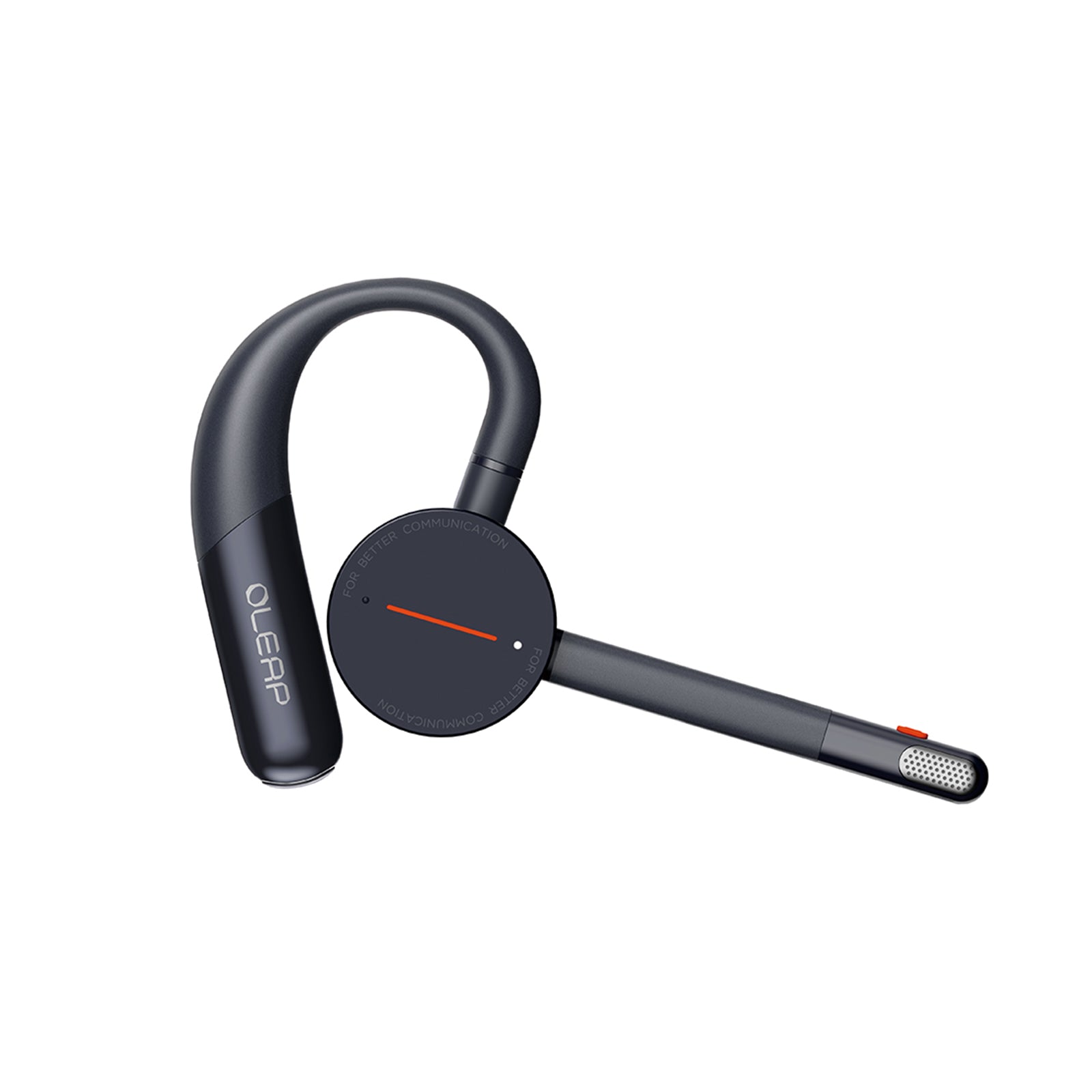
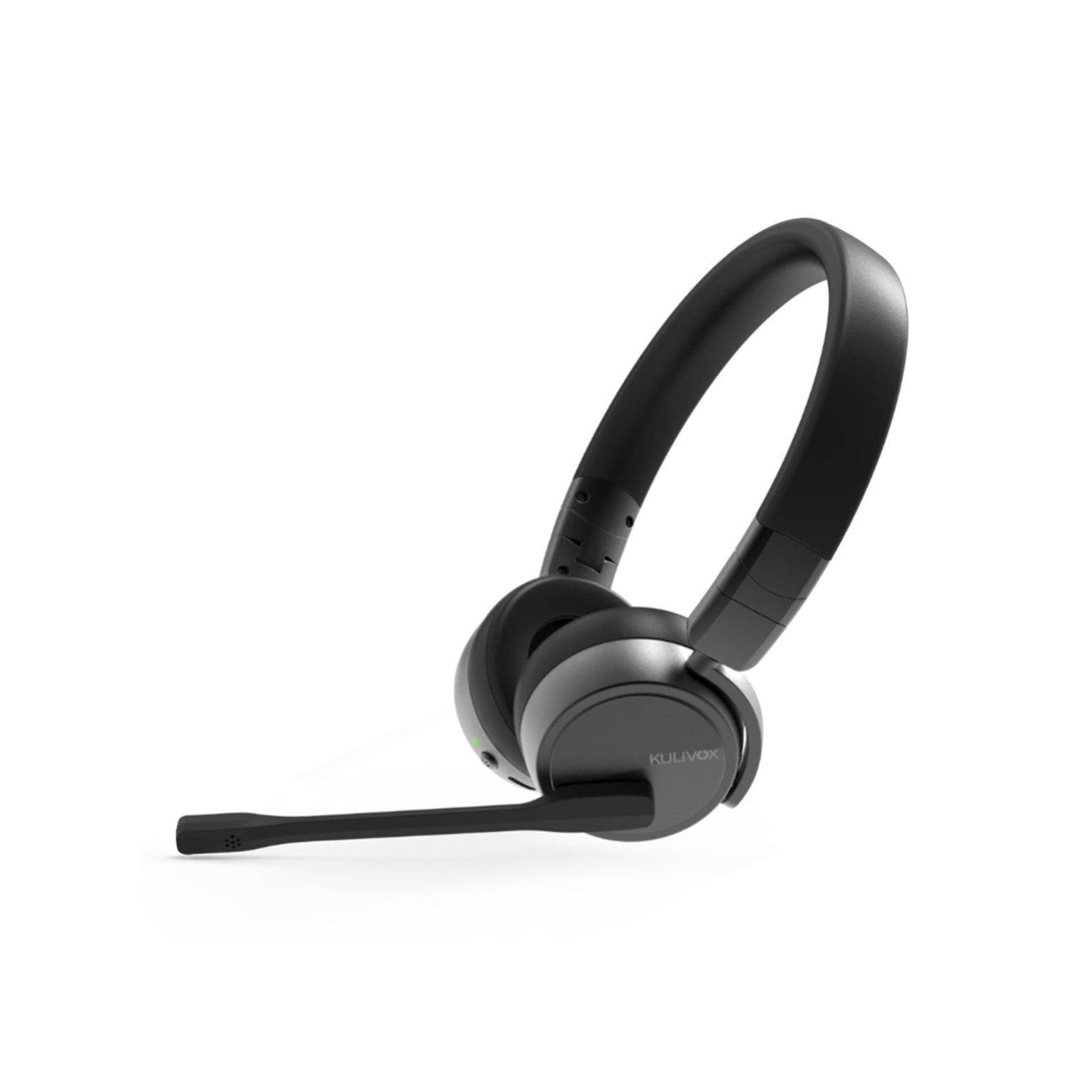
Another key consideration is form factor. Single-ear headsets allow users to remain aware of their surroundings, making them ideal for customer service, sales, and multitasking roles. Dual-ear headsets provide greater immersion and focus, which may suit long meetings or deep work sessions.
There is no universal answer — the right choice depends on how and where you work. What matters most is that the headset is designed for communication first.
Choosing Tools That Match How You Work
Modern work rarely happens in quiet rooms. Calls are taken from varied environments, often under time pressure. In these conditions, clarity becomes a professional requirement, not a luxury.
Oleap designs work-focused headsets with this reality in mind. By prioritizing microphone performance, Environmental Noise Cancellation, and voice isolation, Oleap products are built to support clear communication wherever work happens.
Because when conversations matter, being clearly heard is part of doing the job well.