
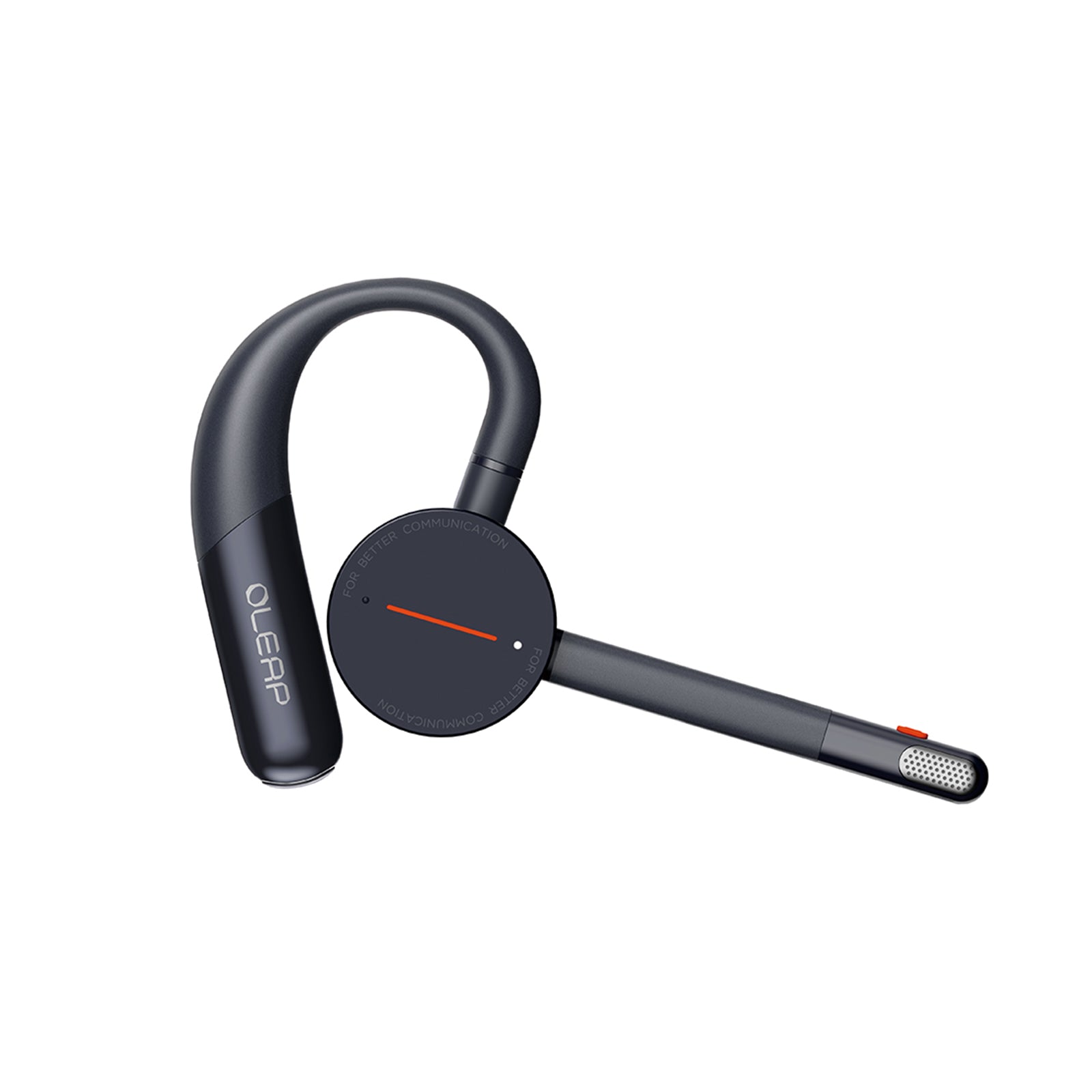
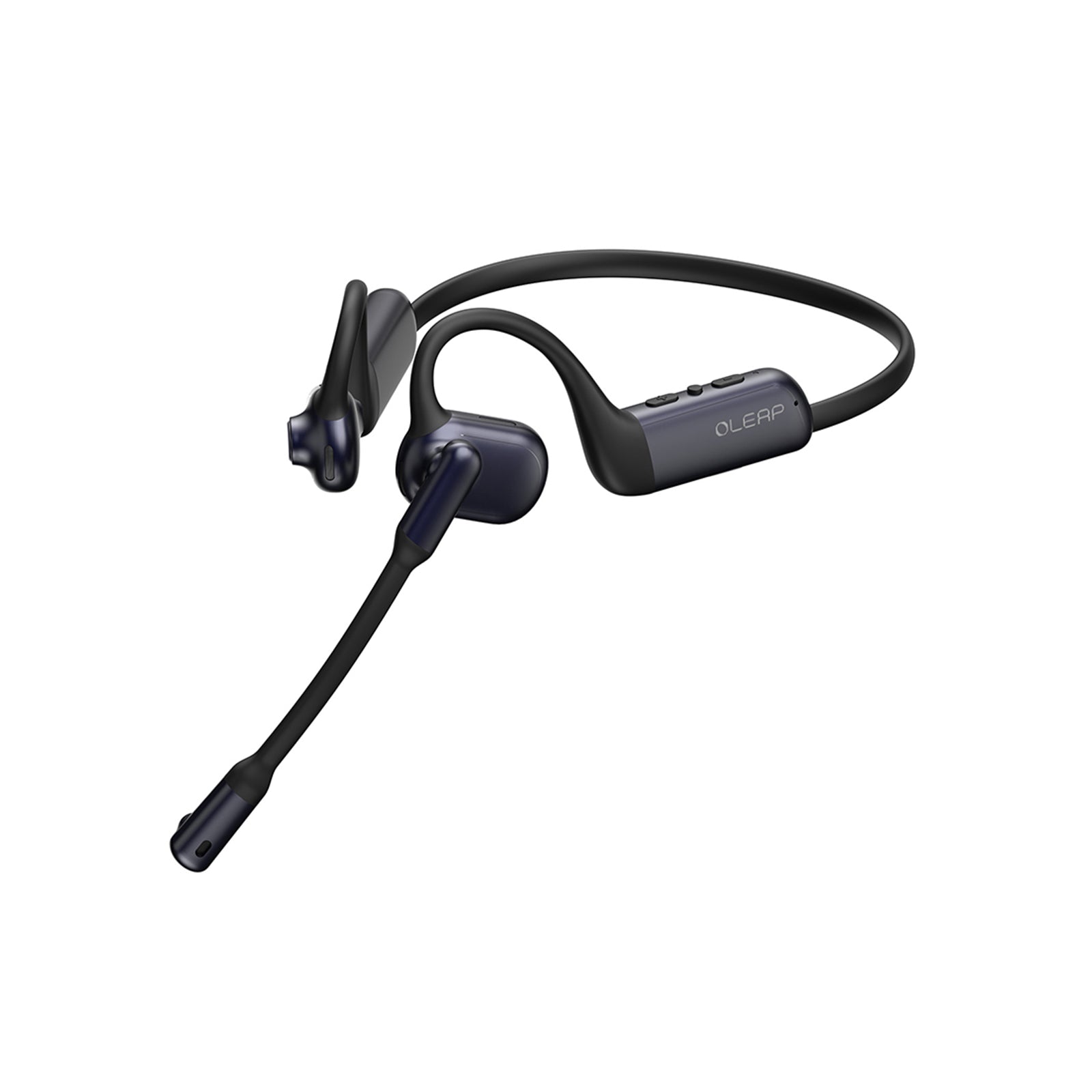
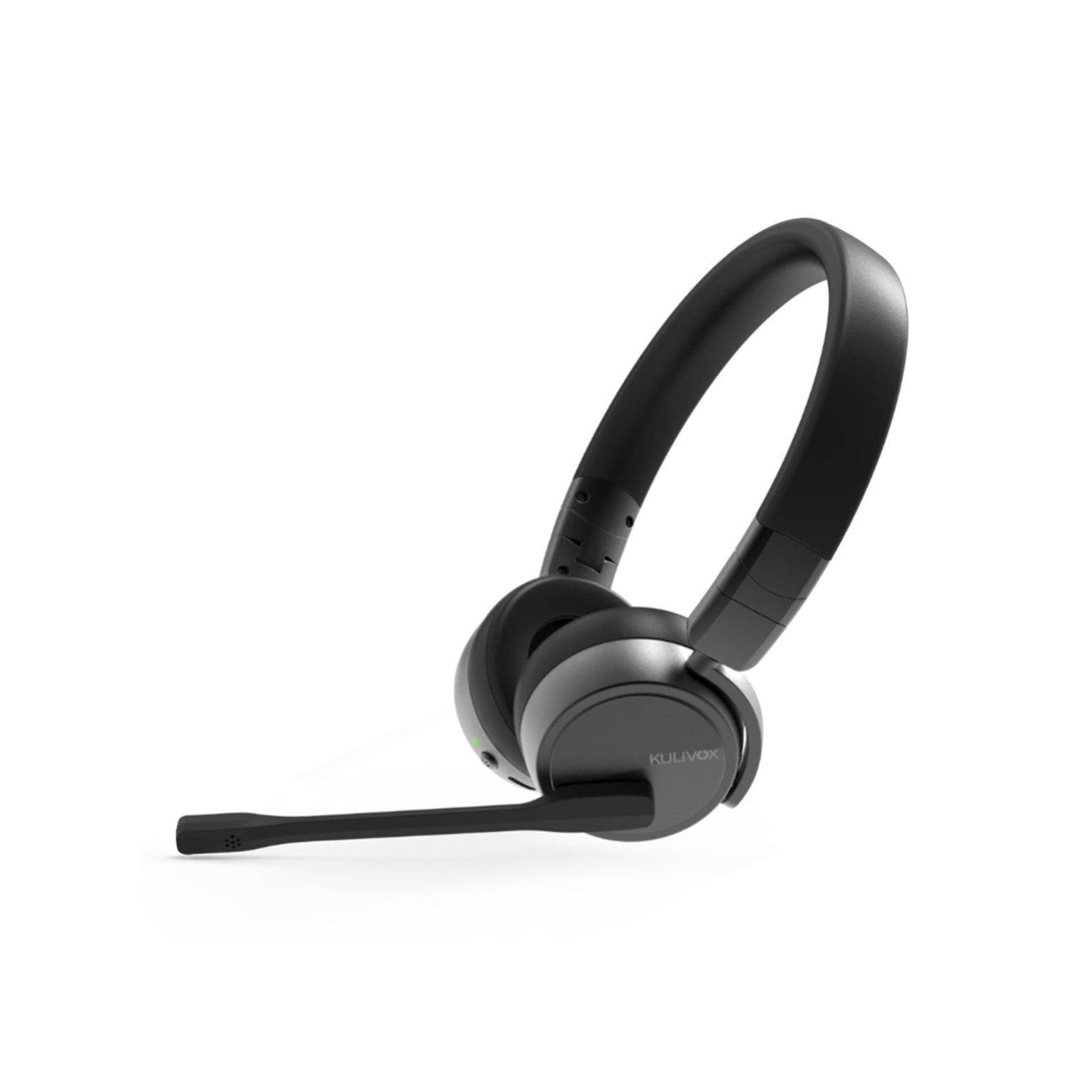
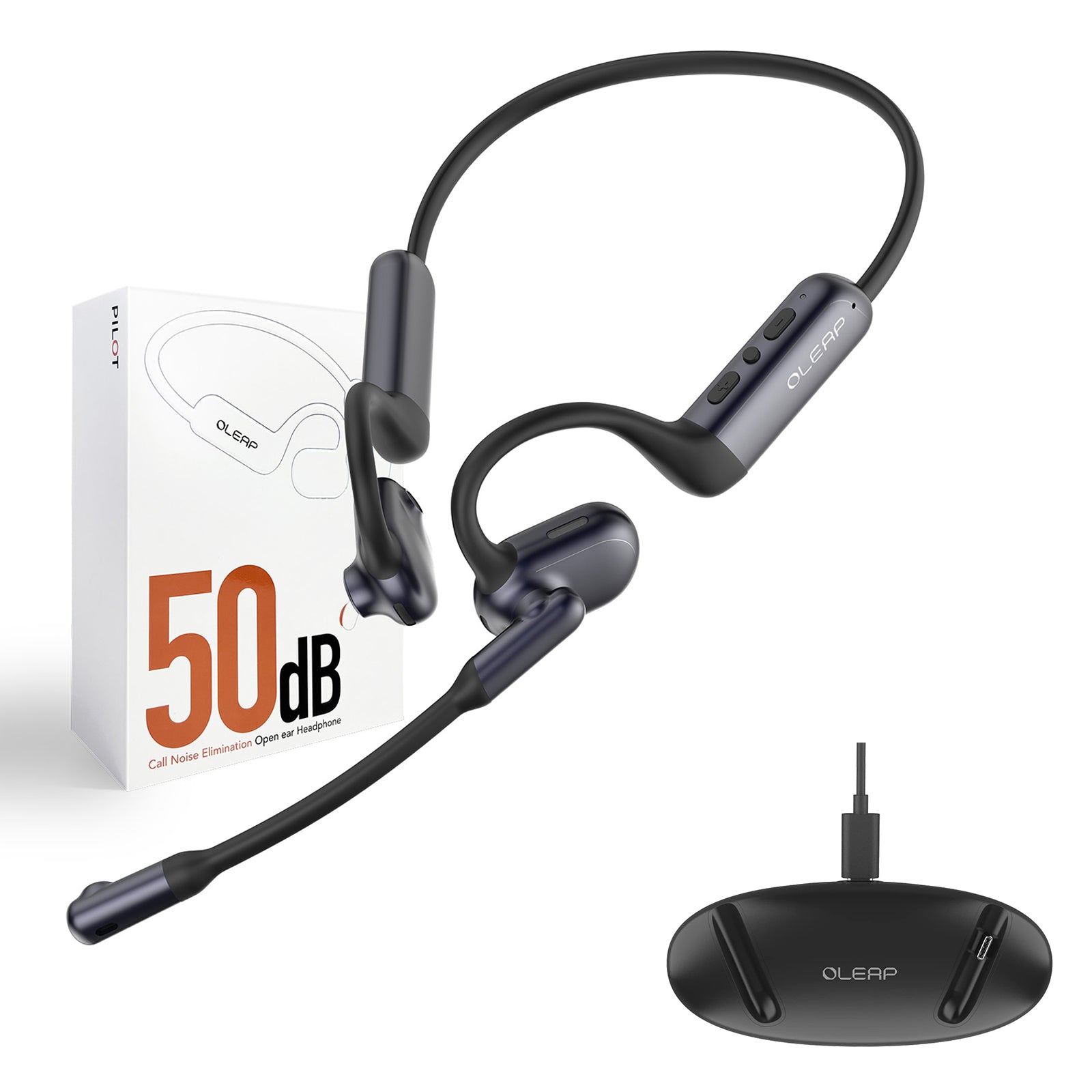
It was 9 a.m. on a Tuesday, and I was already spiraling.
I was on a client call, steering wheel in one hand, laptop balanced on my knee, scribbling notes so fast my handwriting looked like a tornado. The client was rambling through three different project tweaks, and I could feel half the details slipping through the cracks—again.
Then my intern’s voice piped up over the line (bless her): “Hey, have you tried the Archer headset? Just… hit the button.”
I fumbled with the tiny device she’d left on my desk, jammed it on, and pressed record. Then I forgot about it.
An hour later, the call ended. I sighed, ready to spend 45 minutes replaying the messy audio to piece together notes—until my phone pinged.
“Meeting summary: Ready.”
I opened it, and my jaw dropped.
No jumbled bullet points. No half-remembered phrases. Just:
- The client’s two non-negotiable tweaks (the ones I’d almost missed mid-commute)
- A clear to-do list: My task by Thursday, their feedback by Friday
- Even that offhand comment about preferring case studies with metrics—gone from “random side note” to “key action item.”
Here’s the thing: I’ve tried “meeting note tools” before. They spit out transcripts that read like a robot’s grocery list. But this? It felt like having someone in the room who actually gets work.
Last week, I hopped on a last-minute call while stirring pasta (don’t judge). No notebook, no laptop—just the headset. When I dumped the pasta into a bowl 20 minutes later, the summary was waiting: every deadline, every ask, no gaps.
I used to think “AI features” were just flashy buzzwords. But this? It’s the quiet win that turned “I need 20 minutes to fix my notes” into “I’m done—what’s next?”