
AI assistants are becoming part of daily work.
People now use ChatGPT, Claude, Copilot, Gemini, and other AI tools for meetings, customer support, content creation, research, and data analysis.
Most of these interactions start with one thing:
Voice.
However, many users overlook a simple fact:
AI can only understand what it can hear.
That’s why ENC (Environmental Noise Cancellation) is becoming increasingly important.
What Is ENC?
ENC stands for Environmental Noise Cancellation.
It is a technology that reduces background noise while preserving the speaker’s voice.
Unlike traditional noise reduction designed for listening, ENC focuses on improving microphone input.
The goal is simple:
Help the listener hear the speaker more clearly.
Today, that listener is often an AI system.
Why AI Performance Depends on Audio Quality
Modern AI voice assistants rely on automatic speech recognition (ASR).
When background noise is present, speech recognition accuracy can drop significantly.
Common noise sources include:
· Open offices
· Coffee shops
· Airports
· Home environments
· Traffic
· Air conditioning systems
· Nearby conversations
When AI receives unclear audio, it may:
· Misinterpret commands
· Create inaccurate transcripts
· Generate incorrect summaries
· Require users to repeat instructions
Even a small reduction in recognition accuracy can slow down workflows.
Voice Is Becoming the New AI Interface
Typing is still important.
But voice is becoming faster and more natural for many AI tasks.
Users increasingly rely on voice for:
· AI meetings
· AI note-taking
· AI customer support
· AI agents
· AI coding assistants
· AI research assistants
As voice usage grows, audio quality becomes a critical factor in AI productivity.
Why High-Performance ENC Matters
Not all ENC technologies perform the same.
Basic noise reduction may work in quiet environments but struggle in real-world situations.
For professionals who work in noisy environments, stronger noise cancellation can improve communication quality and AI recognition performance.
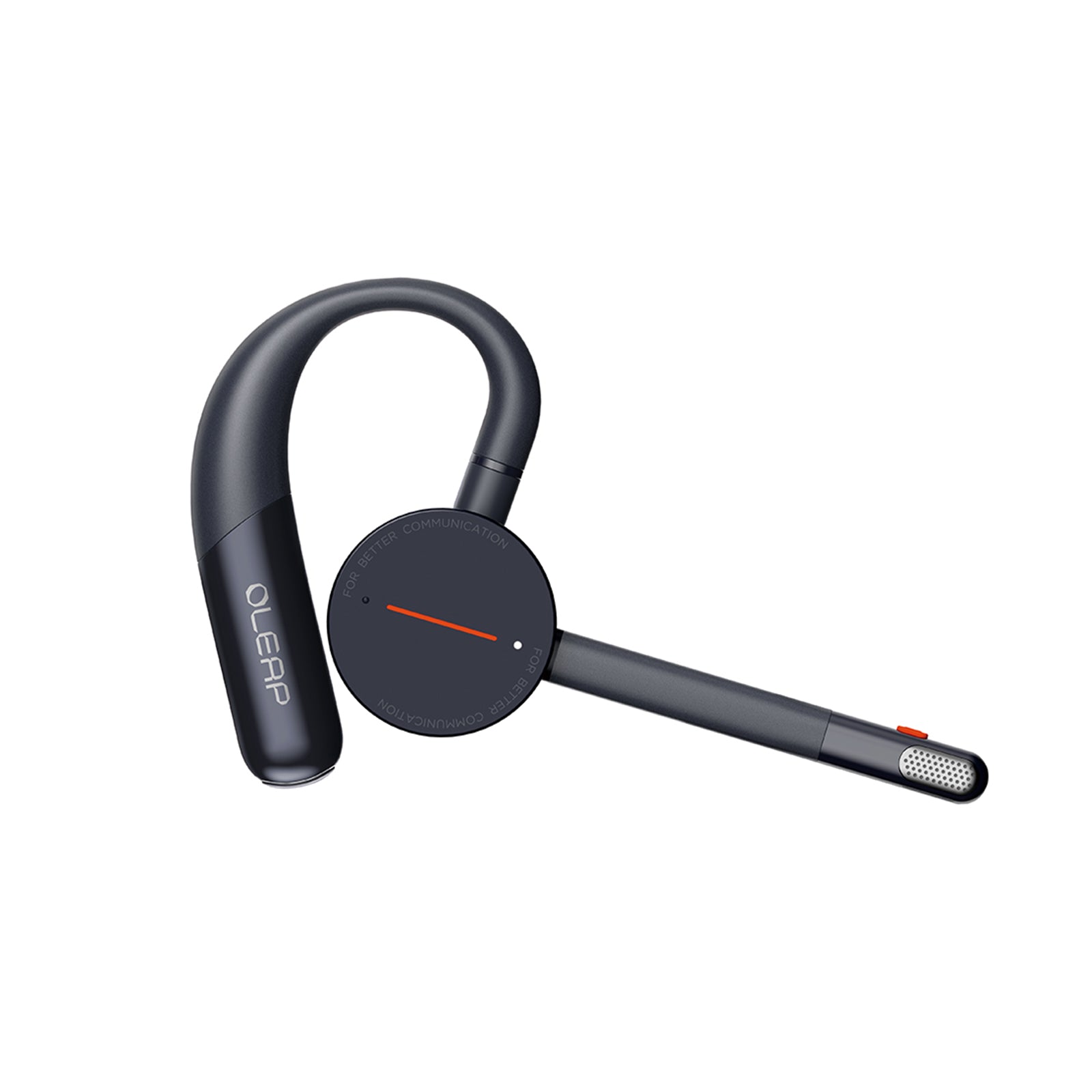
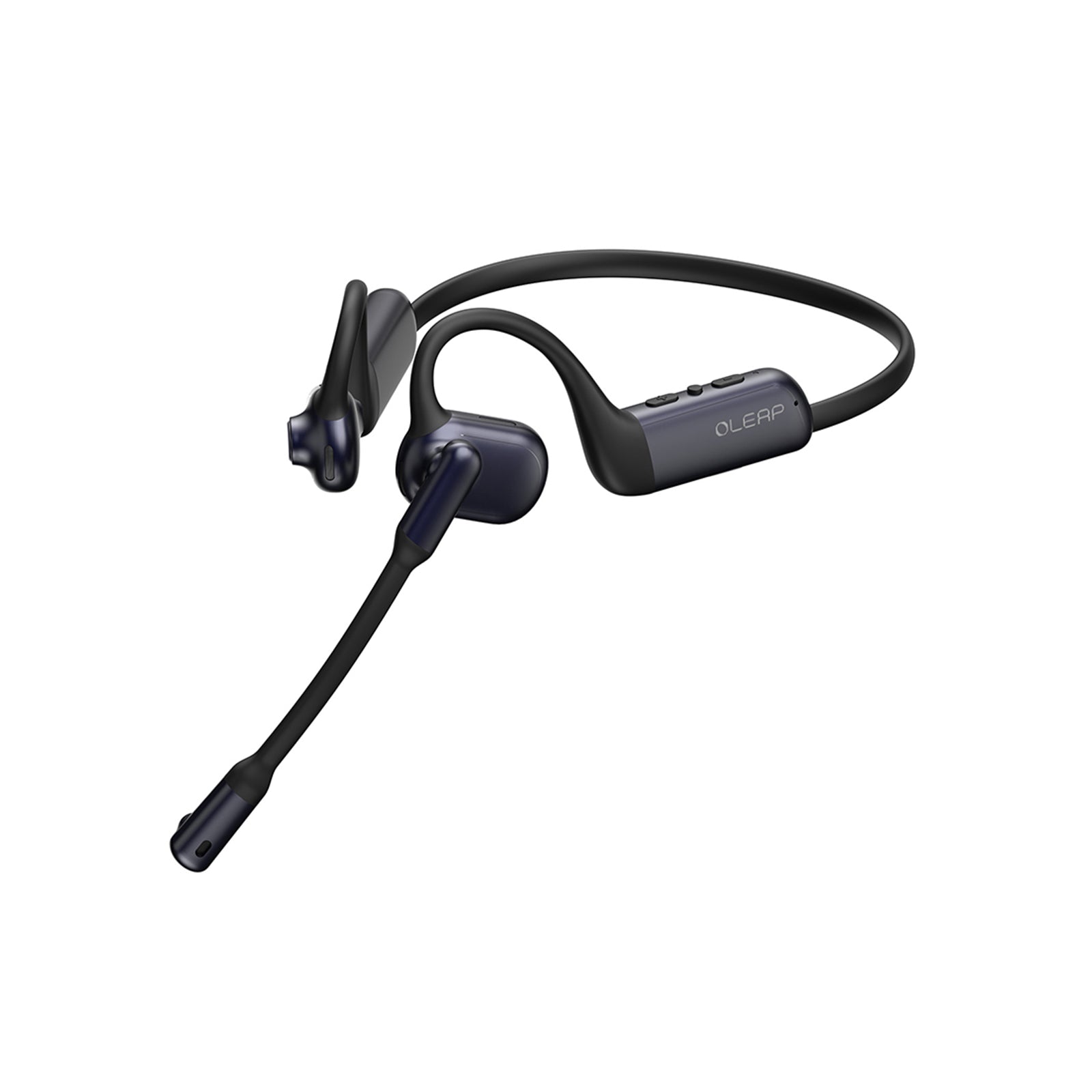
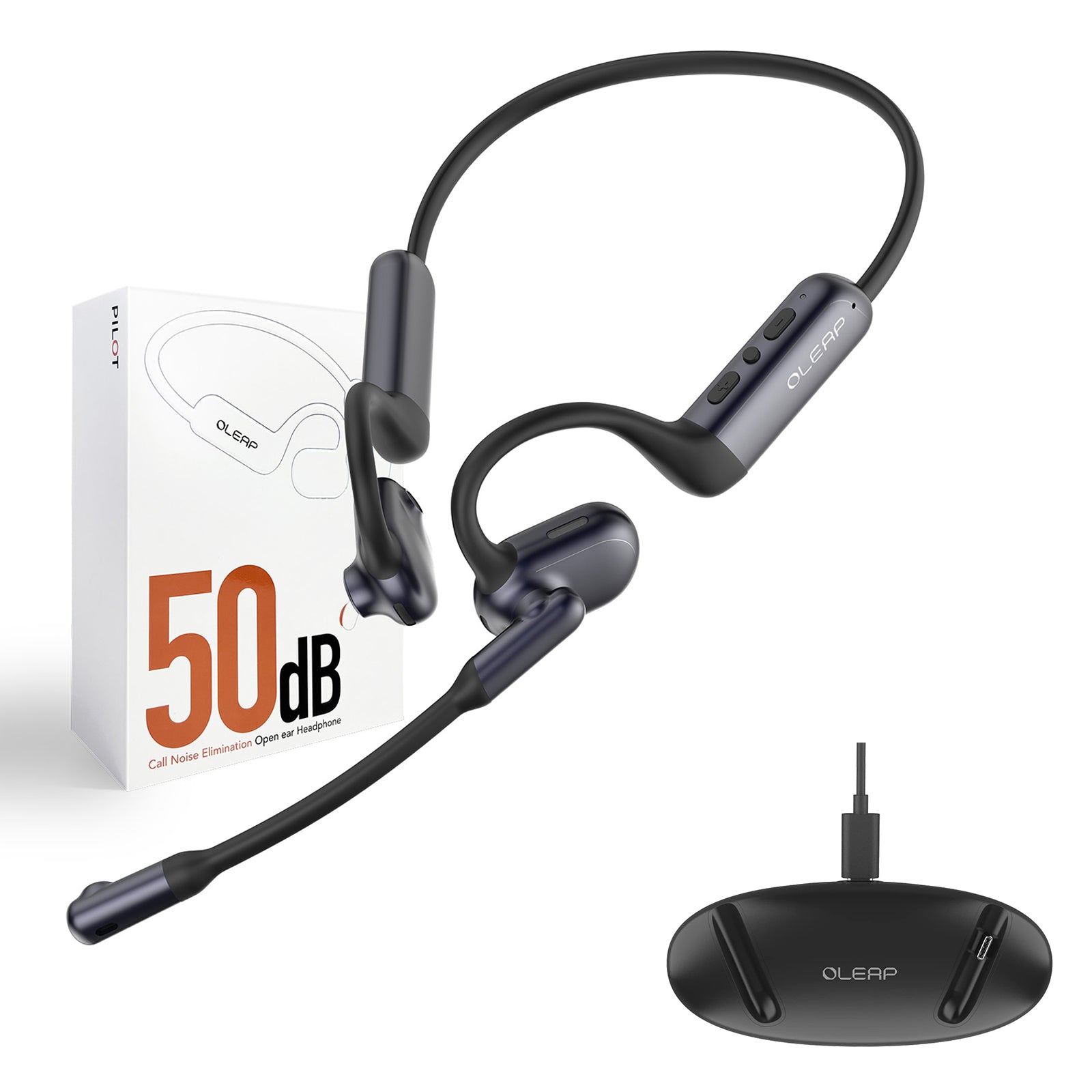
For example, Oleap communication headsets use AI-powered ENC technology capable of reducing up to 50 dB of environmental noise.
This helps isolate the speaker’s voice even in challenging environments such as:
· Busy contact centers
· Open offices
· Remote work setups
· Public transportation
· Coffee shops
The cleaner the voice signal, the more reliable the AI response.
ENC Is No Longer Just for Calls
Traditionally, ENC was used to improve phone calls and video conferences.
Today, it serves a broader purpose.
ENC now helps users communicate with:
· AI assistants
· AI copilots
· AI agents
· Speech-to-text systems
· Meeting transcription platforms
As AI adoption increases, microphone quality and noise cancellation become part of the overall AI workflow.
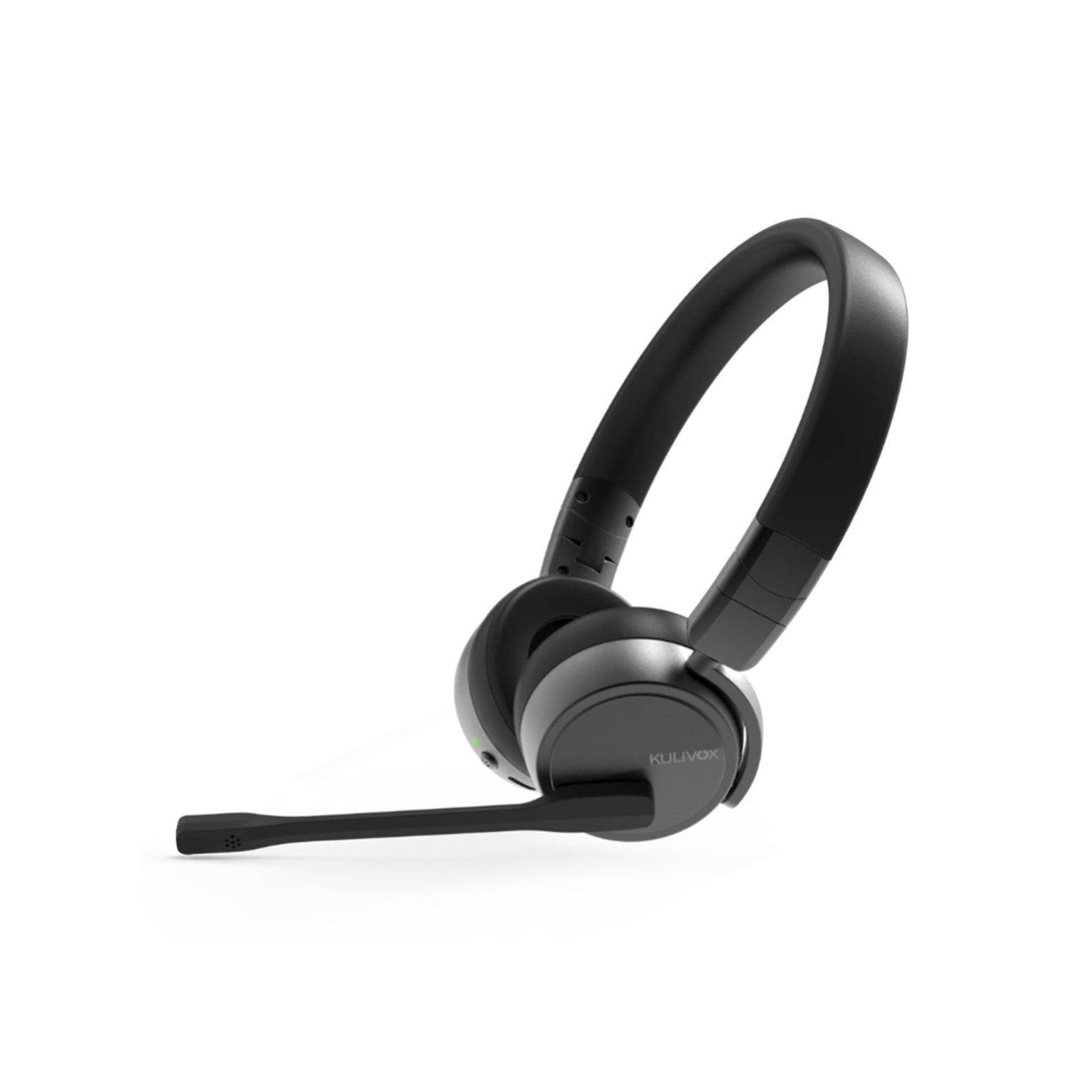
Choosing an ENC Headset for AI Work
When evaluating a headset for AI-powered work, consider:
· Noise cancellation performance
· Microphone clarity
· Comfort for all-day use
· Multi-device connectivity
· Compatibility with AI applications
The goal is not simply better calls.
The goal is better communication with AI systems.
Final Thoughts
AI models continue to improve every year.
But better AI starts with better input.
Clear voice signals help AI systems deliver more accurate recognition, better understanding, and more reliable results.
As voice becomes a primary interface for AI, high-performance ENC is no longer optional.
It is becoming an essential part of modern AI productivity.